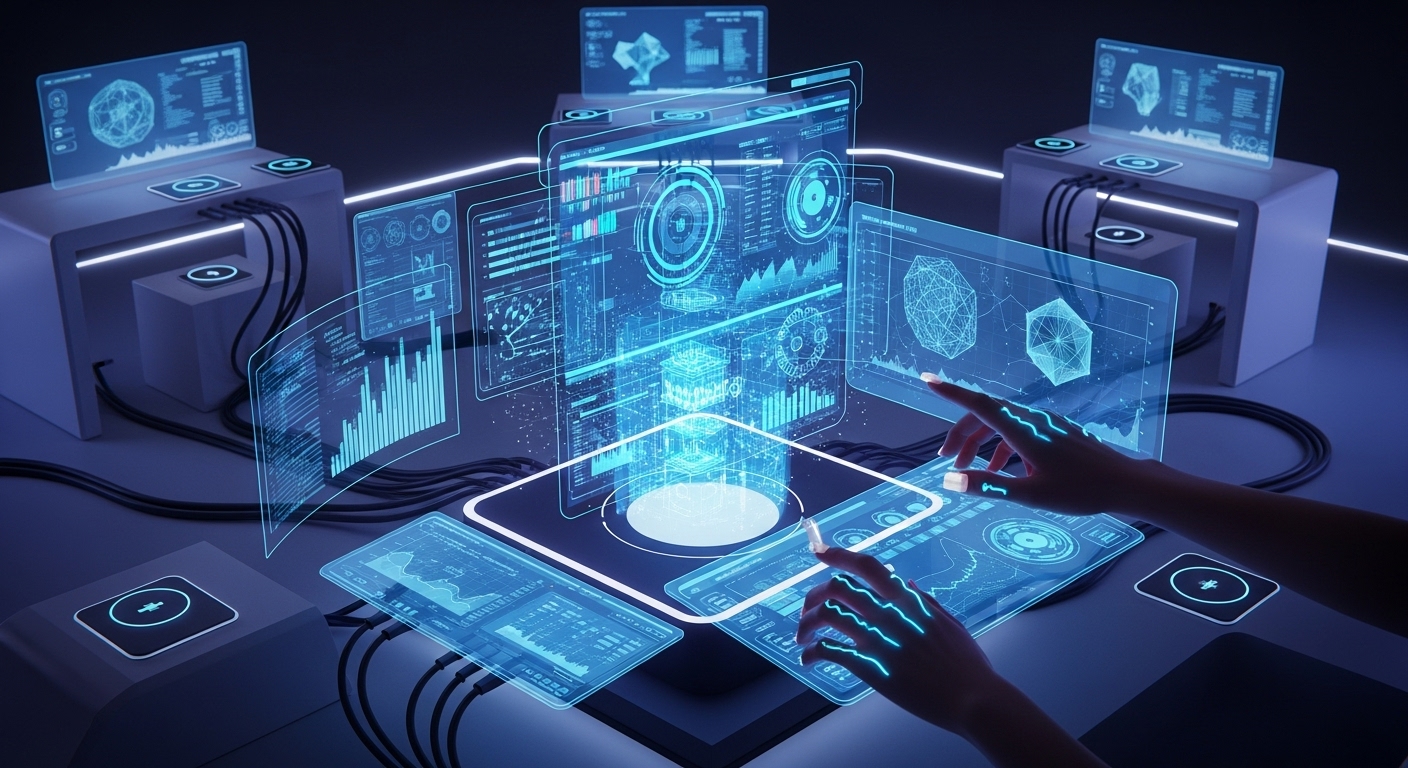







Technology is the heartbeat of the modern era. It shapes the way we communicate, work, learn, entertain, and live. From the earliest computing machines to today’s artificial intelligence systems, technology continues to evolve at an incredible pace. This blog explores the journey of technology, its major domains, current innovations, and what the future might look like.
The Evolution of Technology
The history of technology is a story of human creativity. In ancient times, discoveries like the wheel and fire were revolutionary. Fast forward to the 20th century and we saw inventions like electricity, telephones, radios, and computers that transformed life. Each technological breakthrough laid the foundation for the next.
The first computers were massive machines used for calculations in science and defense. They were expensive and only accessible to governments and universities. With the invention of the microprocessor, computers became smaller and more affordable, eventually entering homes and offices. This shift sparked the digital age.
The growth of the internet in the 1990s opened new possibilities. It connected people worldwide and allowed instant access to information. Soon after, mobile phones evolved into smartphones, giving users the ability to communicate, browse the web, shop, and play games from the palm of their hands. Technology turned into a personal companion.
Information Technology and Its Backbone
Information Technology, or IT, manages and processes data. It powers businesses, governments, and daily life. IT includes hardware like computers and servers, and software like operating systems and applications.
Data centers store and protect vast amounts of information. Cloud computing now lets users and companies store data and run software remotely instead of on physical machines. This reduces the need for on-site servers and allows global access.
Databases are also a crucial part of IT. They organize and store data in structured formats. Modern databases can handle big data, which refers to huge volumes of complex information generated by users, devices, and systems every second.
Artificial Intelligence and Machine Learning
Artificial Intelligence, or AI, is one of the most exciting fields in technology today. AI is the ability of machines to perform tasks that normally require human intelligence such as learning, problem-solving, speech recognition, and decision-making.
Machine Learning, a branch of AI, enables computers to learn from data without explicit programming. For example, when you watch a video online, recommendations are generated by machine learning algorithms analyzing your past behavior.
Deep Learning is an advanced form of machine learning that uses neural networks to mimic the human brain. It is used in image recognition, natural language processing, and self-driving cars.
AI is used in health care to detect diseases early, in finance to detect fraud, in customer service through chatbots, and in agriculture for predicting crop yields. The goal is not to replace humans but to assist them and make processes more efficient.
The Internet of Things
The Internet of Things, or IoT, connects everyday devices to the internet. These devices collect and exchange data. Smart home devices like thermostats, lights, and refrigerators can be controlled using smartphones. They learn user habits and automate tasks to save energy and time.
In industries, IoT sensors monitor equipment and predict when maintenance is needed. This reduces downtime and improves efficiency. In cities, IoT is used for smart traffic systems, waste management, and public safety.
Wearable devices like fitness trackers monitor health metrics such as heart rate, steps, and sleep patterns. They help people stay healthy and connected.
Cloud Computing and Virtualization
Cloud computing allows storing data and running applications over the internet instead of on local computers. This technology makes computing more flexible and cost-effective.
There are different types of cloud services. Infrastructure as a Service provides hardware like servers and storage. Platform as a Service offers tools for developers to build software. Software as a Service delivers applications directly to users.
Virtualization is a related technology that allows one physical machine to act like multiple virtual machines. This helps make efficient use of hardware resources and improves scalability.
Cybersecurity in the Digital Age
With the growth of digital data, cybersecurity has become essential. Cybersecurity protects computers, networks, and data from attacks, theft, and damage.
Common cyber threats include viruses, ransomware, phishing, and hacking. These attacks can cause financial loss and damage a company’s reputation.
To protect systems, organizations use firewalls, encryption, antivirus software, and secure passwords. Regular software updates and employee training also help reduce risks. Cybersecurity experts work continuously to detect and respond to threats.
The Role of Blockchain Technology
Blockchain is a digital ledger that records transactions across many computers. It is secure, transparent, and resistant to tampering. Each block contains data and is connected to the previous block, forming a chain.
Blockchain is used in cryptocurrencies, but its applications go beyond digital money. It is used in supply chain management to track products, in voting systems to ensure fairness, and in health care for secure medical records.
Because it is decentralized, no single authority controls blockchain. This makes it harder to corrupt or hack.
The Power of 5G Networks
5G is the fifth generation of mobile networks. It offers faster internet speeds, low latency, and the ability to connect many devices at once. This technology enables smoother video streaming, faster downloads, and more reliable connections.
5G plays a key role in the development of smart cities, self-driving cars, and advanced robotics. It allows real-time communication between devices, improving safety and efficiency.
Telecommunication companies are expanding 5G coverage around the world. As more devices become 5G-enabled, its impact will grow.
Robotics and Automation
Robotics involves designing and building machines that can perform tasks automatically. Automation is using technology to reduce human effort in processes.
In factories, robots assemble products with precision and speed. They work in hazardous conditions where humans cannot. In health care, robotic surgery allows doctors to perform complex procedures with enhanced accuracy.
Automation is also used in offices through software bots that manage tasks like data entry and scheduling. This allows employees to focus on creative and strategic work.
Quantum Computing and the Future
Quantum computing is a revolutionary technology that uses quantum bits instead of traditional bits. While a bit can be either 0 or 1, a quantum bit can be both at the same time. This allows quantum computers to process information much faster for certain tasks.
Quantum computers can solve complex problems in seconds that traditional computers would take years to solve. They are useful in fields like cryptography, weather forecasting, and drug discovery.
However, quantum computing is still in its experimental stage. Building stable quantum computers is challenging, but research is progressing rapidly.
Virtual Reality and Augmented Reality
Virtual Reality, or VR, creates an immersive digital environment. Users wear headsets that replace their real surroundings with a virtual world. VR is used in gaming, education, training, and therapy.
Augmented Reality, or AR, adds digital elements to the real world. Smartphone apps that show virtual objects in real spaces are examples of AR. It is used in navigation, shopping, and design.
VR and AR are transforming the way we learn and interact with digital content. They make experiences more engaging and realistic.
The Growth of E-Commerce Technology
Online shopping has grown significantly with the help of technology. E-commerce platforms allow users to browse products, place orders, and pay digitally from anywhere.
Technologies like AI recommend products based on user preferences. Secure payment gateways process transactions safely. Logistics systems track deliveries and ensure timely shipping.
Small businesses can reach global customers through online marketplaces. With mobile apps, shopping has become more convenient than ever.
Green Technology and Sustainability
As the world faces environmental challenges, technology plays a key role in promoting sustainability. Green technology focuses on reducing pollution and conserving resources.
Renewable energy sources like solar, wind, and hydro power generate electricity without harming the environment. Smart grids manage energy use efficiently.
Electric vehicles reduce dependence on fossil fuels. Advanced batteries store energy for longer periods. Smart farming uses sensors and drones to monitor crops and reduce water and pesticide use.
Education and Technology Integration
Technology has changed how we learn. Online classes, digital textbooks, and virtual labs make education more accessible. Students can learn at their own pace and access information anytime.
Learning platforms use AI to personalize lessons based on student performance. Virtual classrooms connect students and teachers across different countries.
Gamification makes learning fun by adding game-like elements such as rewards and challenges. Technology also helps teachers track progress and give instant feedback.
Health Care Innovations
Technology has transformed health care with better diagnosis, treatment, and patient care. Telemedicine allows patients to consult doctors via video calls without visiting hospitals.
Wearable devices monitor important health data and alert users and doctors if anything goes wrong. AI helps doctors analyze medical images and detect diseases early.
Robotic surgery offers precision and reduces recovery time for patients. Digital health records store patient information securely and make it accessible to medical staff.
Entertainment and Digital Media
The entertainment industry has evolved with technology. Streaming platforms allow movies, music, and shows to be accessed instantly. Users no longer rely on CDs or DVDs.
Video games have become more realistic with advanced graphics and sound. Online multiplayer games let players worldwide compete and collaborate.
Content creation tools enable anyone to produce videos, music, and artwork. Social media platforms help creators share their work and build audiences.
Challenges in the Tech World
Despite its benefits, technology faces several challenges. Privacy concerns arise as companies collect user data. Misuse of data can lead to identity theft and loss of trust.
Automation may cause job displacement, as machines take over routine tasks. Workers need to learn new skills to stay relevant.
Cybercrime is a growing threat. Hackers target businesses, governments, and individuals. Protecting data has become a continuous battle.
Digital addiction is another issue. Overuse of devices can affect mental and physical health. Balancing technology with real-life interactions is important.
The Future of Technology
The future of technology is full of possibilities. AI will become more advanced and integrated into daily life. Smart homes, wearable devices, and autonomous machines will become more common.
Quantum computing may revolutionize industries by solving complex problems. Renewable energy will power more cities as countries focus on sustainability.
Space technology will allow humans to explore distant planets. Robotics and biotechnology will help improve life expectancy and quality of life.
Conclusion
Technology is more than machines and software. It reflects human curiosity and the desire to solve problems. From the invention of the wheel to the rise of artificial intelligence, technology continues to shape our world.
As we move forward, it is important to use technology responsibly. Innovation should be balanced with ethics, privacy, and sustainability. By understanding and embracing technology, we can build a better and smarter future for everyone.