





Technology is advancing at an unprecedented rate, influencing every aspect of our lives. From the way we communicate to how we work, shop, and entertain ourselves, tech innovations are transforming industries, economies, and societies worldwide. But with the rapid pace of these changes, it can be difficult to keep up with what’s coming next. In this blog post, we’ll explore some of the most promising emerging technologies and trends shaping the future.
1. Artificial Intelligence (AI) and Machine Learning (ML)
AI and ML: Redefining the Future of Automation
Artificial Intelligence (AI) and Machine Learning (ML) have moved from science fiction concepts to practical, real-world applications. These technologies enable machines to learn from data, make decisions, and improve over time without human intervention. AI and ML are already revolutionizing industries ranging from healthcare to finance and manufacturing.
In healthcare, AI is being used to assist in diagnosing diseases, developing personalized treatments, and even predicting outbreaks. In finance, AI algorithms analyze market trends and make high-frequency trading decisions. The automation of mundane tasks and decision-making is reshaping workflows across sectors.
The most exciting part of AI and ML is their potential for growth. With advances in deep learning and neural networks, these technologies will only become smarter and more integrated into our daily lives. From self-driving cars to intelligent virtual assistants like Siri and Alexa, the applications of AI and ML are vast and still expanding.
2. 5G Networks: The Backbone of Future Connectivity
5G Networks: Powering the Future of the Internet
The rollout of 5G technology promises to change the way we connect, communicate, and interact with the digital world. With download speeds up to 100 times faster than 4G, 5G networks will enable innovations like smart cities, autonomous vehicles, and augmented reality (AR) applications.
One of the most significant benefits of 5G is its ultra-low latency. This means that devices can communicate with each other in real time with virtually no delay. For example, in the case of autonomous vehicles, 5G will enable them to communicate with traffic lights, road sensors, and other vehicles, ensuring seamless coordination and enhancing safety.
For consumers, 5G will enable faster internet speeds, lower latency for gaming, and smoother video streaming experiences. For industries, it will drive advancements in areas such as IoT (Internet of Things), healthcare, and smart manufacturing.
3. Blockchain Technology: Revolutionizing Security and Transparency
Blockchain: Beyond Cryptocurrencies
When most people think of blockchain, they immediately think of cryptocurrencies like Bitcoin. However, blockchain has far broader applications that extend well beyond digital currencies. Blockchain is a decentralized, secure digital ledger that records transactions across many computers in such a way that the registered transactions cannot be altered retroactively.
This technology is already disrupting industries such as finance, healthcare, and supply chain management. In finance, blockchain can streamline cross-border payments, reducing transaction fees and increasing transaction speed. In healthcare, it can improve the security and transparency of patient records.
One of the most promising applications of blockchain is in supply chain management. By using blockchain, companies can ensure that products are sourced ethically, produced sustainably, and delivered safely. This level of transparency can help businesses gain consumer trust and ensure compliance with regulations.
4. Virtual Reality (VR) and Augmented Reality (AR): Transforming Experiences
AR and VR: Redefining How We Interact with the World
Virtual Reality (VR) and Augmented Reality (AR) are two technologies that are set to revolutionize the way we interact with both digital and physical environments. VR immerses users in a completely virtual environment, while AR overlays digital information onto the real world.
In entertainment, VR has already made a huge impact, with immersive gaming experiences that place users directly in the action. AR, on the other hand, is transforming industries like retail and education. For example, AR apps allow users to virtually try on clothes or visualize furniture in their homes before making a purchase.
In education, both VR and AR can provide immersive learning experiences, helping students grasp complex concepts in ways that traditional methods can’t. Imagine a history class where students can take virtual tours of ancient civilizations, or a biology class where students can interact with 3D models of human anatomy.
Beyond entertainment and education, VR and AR will play pivotal roles in fields like medicine, architecture, and engineering. Surgeons are already using VR for training and to practice complex surgeries, while architects use AR to visualize buildings before they are constructed.
5. Internet of Things (IoT): Connecting the World
The IoT Revolution: Making Everyday Objects Smarter
The Internet of Things (IoT) refers to the network of physical devices—ranging from household appliances to industrial machines—that are connected to the internet and can exchange data. By integrating sensors and software, IoT devices enable automation, improve efficiency, and provide real-time data for better decision-making.
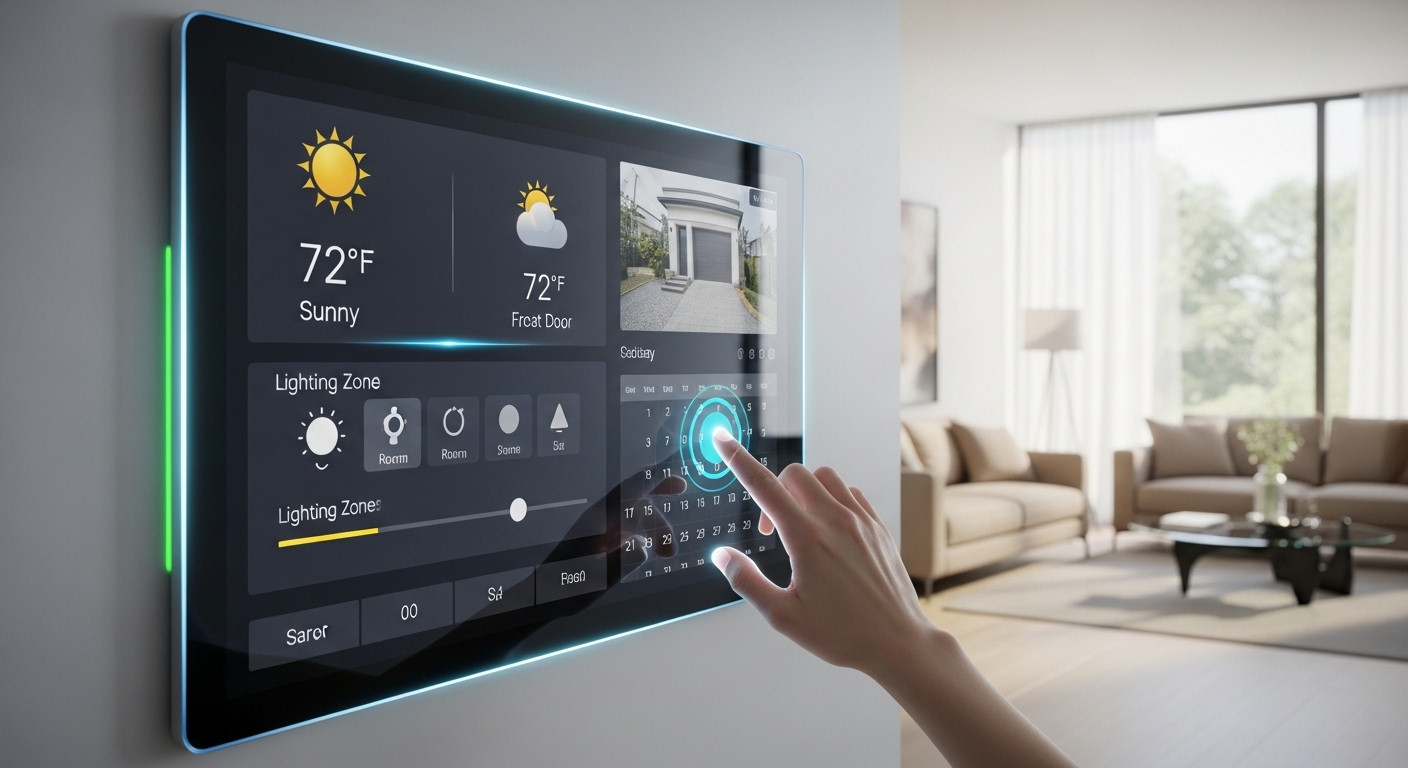
Smart homes are one of the most popular IoT applications. Devices like thermostats, light bulbs, and security cameras are now connected to the internet and can be controlled remotely via smartphones or voice assistants. But IoT is not limited to homes. In industries like manufacturing, IoT devices are used for predictive maintenance, monitoring machinery performance, and reducing downtime.
The potential of IoT goes beyond consumer convenience. In agriculture, IoT sensors can monitor soil moisture levels, temperature, and other environmental factors to optimize crop yields. In healthcare, IoT-enabled devices can track patients’ vital signs in real-time, allowing doctors to provide more personalized care.
6. Quantum Computing: A New Era of Computing Power
Quantum Computing: Unlocking the Potential of the Future
Quantum computing is one of the most exciting—and still emerging—fields in technology. Traditional computers process information using binary bits (0s and 1s), but quantum computers use quantum bits, or qubits, which can represent and store information in multiple states simultaneously. This allows quantum computers to solve complex problems much faster than traditional computers.
While quantum computing is still in its infancy, it holds the potential to revolutionize fields such as cryptography, drug discovery, and optimization problems. For example, in drug discovery, quantum computers could simulate molecular structures, speeding up the development of new medicines. In cryptography, quantum computers could break current encryption systems, leading to the need for new, quantum-resistant encryption methods.
Quantum computing is expected to have a profound impact on industries like finance, logistics, and energy, where large-scale optimization problems can benefit from its immense processing power.
7. Robotics: Advancements in Automation and Human-Robot Interaction
Robotics: The Next Step in Automation
Robotics has come a long way from its humble beginnings in factories. Today, robots are being used in a wide variety of fields, from healthcare and agriculture to logistics and space exploration. Advanced robotics systems are more autonomous, intelligent, and capable of performing tasks that were previously thought to be the sole domain of humans.
In healthcare, robots are performing delicate surgeries with precision, reducing human error and recovery time. In agriculture, autonomous robots are being used for tasks like planting, harvesting, and monitoring crops. In logistics, robots are optimizing supply chains and warehouses, reducing the need for human labor and increasing efficiency.
The future of robotics lies in the integration of AI, machine learning, and IoT, allowing robots to collaborate more effectively with humans and other machines. As robots become more autonomous, they will increasingly play a role in our daily lives, both at home and in the workplace.
8. Sustainable Tech: Innovating for a Greener Future
Sustainable Technologies: A Solution for Global Challenges
As climate change becomes an ever-pressing concern, the tech industry is stepping up to the challenge by developing sustainable technologies that reduce environmental impact. From renewable energy solutions to energy-efficient devices and green building technologies, the potential for innovation in the sustainability space is vast.
Solar power, wind energy, and electric vehicles are leading the charge in reducing dependence on fossil fuels. At the same time, companies are investing in green data centers that use renewable energy to power massive amounts of data storage and processing.
In agriculture, sustainable tech solutions are being developed to reduce water usage, optimize fertilizer application, and minimize waste. Technologies like vertical farming and lab-grown meat promise to reduce the environmental footprint of food production.
Sustainable tech isn’t just good for the planet; it’s also becoming a key driver of economic growth. As consumers become more eco-conscious, there’s increasing demand for green products and services, creating new opportunities for businesses to innovate and thrive.
Conclusion: The Tech Future Is Now
The future of technology is exciting, full of promise, and sometimes daunting. From artificial intelligence and quantum computing to sustainable innovations, the technologies of tomorrow are transforming the way we live and work. As these innovations continue to develop, they will reshape entire industries and create new opportunities and challenges.
The key to navigating this ever-evolving landscape is staying informed and adaptable. Embrace the changes that come with these emerging technologies, and explore how they can enhance your personal and professional life. The future of tech is here, and it’s ready to change the world.