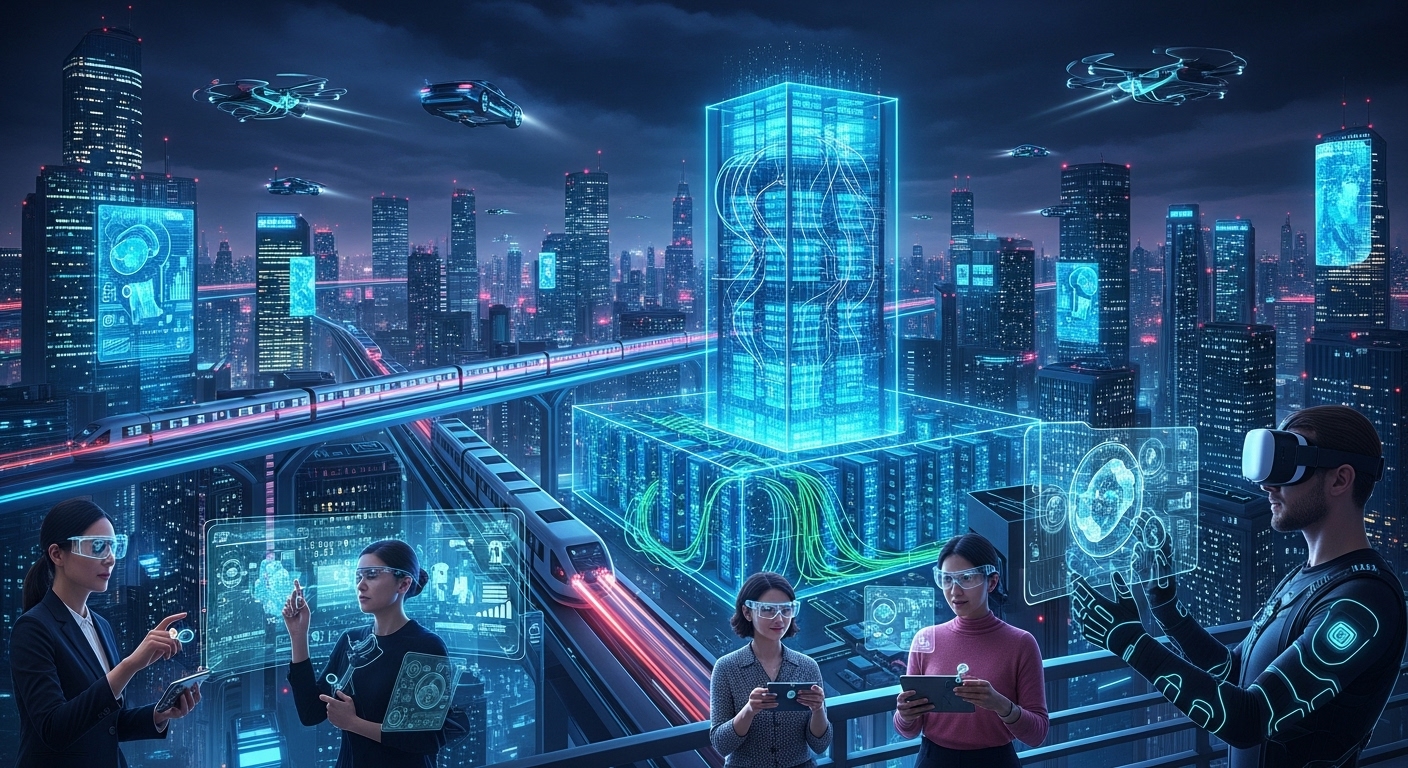







Introduction: Technology as an Invisible Companion
Technology is no longer something we consciously switch on or off. It has blended into daily life so deeply that we often forget how dependent we have become on it. From the moment we wake up to the alarm on a smartphone to the algorithms deciding what content we see, technology works silently in the background. What makes the modern era unique is not just the speed of innovation, but the way technology shapes human behavior, thinking, and decision-making. This blog explores how emerging technologies are transforming society beyond gadgets and screens, influencing how we work, communicate, learn, and even understand ourselves.
The Shift from Tools to Ecosystems
In the past, technology functioned mainly as a tool. A computer was used for calculations, a phone for calls, and a camera for capturing moments. Today, technology operates as an interconnected ecosystem. Devices, software, and data are linked together, creating seamless experiences. A single action, such as searching for information, triggers a chain of processes involving cloud computing, artificial intelligence, and data analytics. This shift has changed user expectations. People now expect instant responses, personalized experiences, and uninterrupted connectivity, pushing technology to become more adaptive and intuitive.
Artificial Intelligence and the New Definition of Intelligence
Artificial intelligence has moved beyond simple automation. It now mimics certain aspects of human intelligence, such as learning from experience, recognizing patterns, and making predictions. AI systems are used in healthcare to assist in diagnosing diseases, in finance to detect fraud, and in education to personalize learning paths. This raises important questions about what intelligence truly means. While machines can process vast amounts of data faster than humans, they lack emotional understanding and moral judgment. The challenge for the future lies in designing AI that complements human abilities rather than replacing them.
Data as the Currency of the Digital Age
Data has become one of the most valuable resources in the modern world. Every online interaction generates data, from social media activity to online shopping behavior. Companies use this information to understand trends, predict needs, and improve services. However, the growing reliance on data also introduces concerns about privacy and control. Individuals are becoming more aware of how their data is collected and used. As technology advances, the balance between convenience and privacy will play a critical role in shaping digital trust.
The Evolution of Work in a Tech-Driven World
Technology has redefined the concept of work. Remote collaboration tools, cloud platforms, and automation have made it possible to work from almost anywhere. Traditional office environments are being replaced by flexible work models that prioritize productivity over physical presence. At the same time, automation is changing job roles. Repetitive tasks are increasingly handled by machines, pushing humans toward creative, analytical, and strategic roles. This transformation requires continuous learning, as skills that were valuable yesterday may become obsolete tomorrow.
Education in the Age of Smart Learning
Education is undergoing a quiet revolution powered by technology. Digital classrooms, interactive learning platforms, and virtual simulations have expanded access to knowledge. Students are no longer limited by geography or rigid schedules. Learning has become more personalized, allowing individuals to progress at their own pace. However, technology alone cannot replace the human elements of education such as mentorship, curiosity, and critical thinking. The future of learning lies in combining technological tools with human guidance to create meaningful educational experiences.
Communication Beyond Words
Technology has transformed communication from simple text and voice to immersive, multimedia experiences. Video calls, instant messaging, and virtual spaces allow people to connect across continents in real time. Emojis, voice notes, and visual content have added new layers of expression, changing how emotions and ideas are conveyed. While these tools bring people closer, they also challenge traditional communication skills. The ability to listen, empathize, and engage deeply remains essential in a world filled with digital noise.
The Rise of Smart Environments
Smart technology is reshaping physical spaces into responsive environments. Homes can adjust lighting, temperature, and security based on user preferences. Cities are integrating smart systems to manage traffic, energy consumption, and public services. These innovations promise efficiency and sustainability, but they also depend on complex networks of sensors and data. The success of smart environments relies on thoughtful design, ensuring that technology serves human needs rather than creating unnecessary complexity.
Cybersecurity and the Cost of Connectivity
As technology becomes more integrated into daily life, the risks associated with cyber threats increase. Cybersecurity is no longer limited to protecting computers; it involves safeguarding identities, financial systems, and critical infrastructure. Individuals and organizations must remain vigilant as cyberattacks grow more sophisticated. Building a secure digital future requires not only advanced technology but also awareness, ethical practices, and shared responsibility.
Human Identity in a Digital Society
One of the most profound impacts of technology is on human identity. Online profiles, digital avatars, and virtual interactions shape how people present themselves to the world. Social media platforms influence self-perception, social validation, and community belonging. While technology offers opportunities for self-expression, it can also create pressure to conform to digital ideals. Understanding the difference between online presence and authentic identity is becoming an important skill in the digital age.
Ethics and Responsibility in Innovation
With great technological power comes great responsibility. Ethical considerations are no longer optional in technology development. Decisions about data usage, algorithmic bias, and automation affect millions of lives. Developers, policymakers, and users must work together to ensure that innovation aligns with human values. Transparency, accountability, and inclusivity should guide technological progress to prevent unintended consequences.
The Future: Collaboration Between Humans and Machines
The future of technology is not about machines replacing humans but about collaboration. Humans bring creativity, empathy, and ethical reasoning, while machines offer speed, accuracy, and scalability. When combined effectively, this partnership can solve complex problems, from climate change to global healthcare challenges. The key lies in designing technology that enhances human potential rather than diminishing it.
Conclusion: Embracing Technology with Awareness
Technology is shaping the future in subtle yet powerful ways. It influences how societies function, how individuals connect, and how knowledge evolves. Embracing technology does not mean accepting it blindly. It requires awareness, adaptability, and a willingness to question its impact. By understanding technology as a partner rather than a force beyond control, humans can guide innovation toward a future that is not only advanced but also meaningful and humane.