



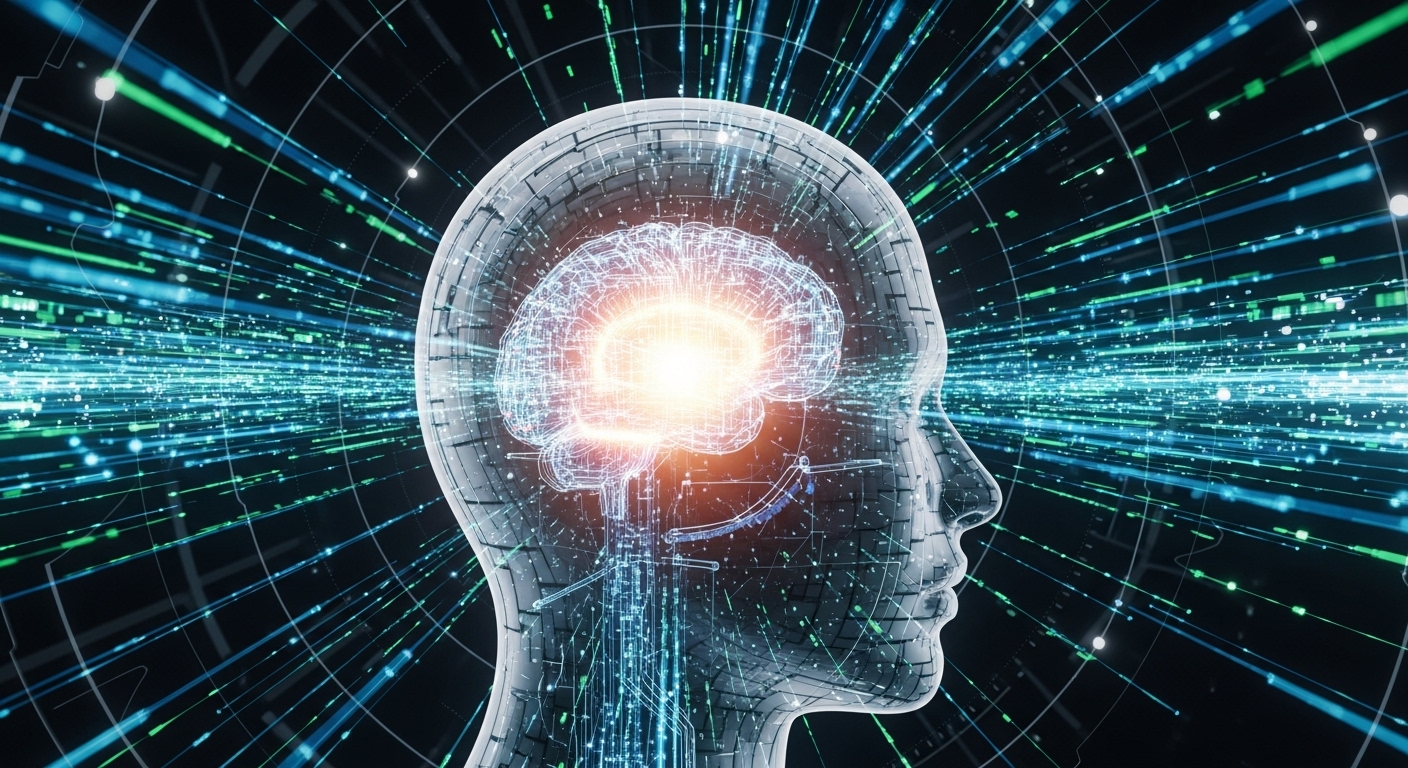
Technology has always been a central force in human progress, redefining industries, societies, and the way people interact with the world. In the 21st century, the pace of technological innovation has accelerated exponentially, creating solutions that were once unimaginable and opening doors to a future that blends physical and digital realities. From artificial intelligence and robotics to biotechnology, renewable energy, and quantum computing, emerging technologies are reshaping every facet of life. This blog explores the evolution, applications, impact, and future trajectory of technology, offering a comprehensive view of how innovation is shaping the next decade.
The Evolution of Modern Technology
Human civilization has always progressed alongside technology. Early inventions such as the wheel, the printing press, and the steam engine enabled humans to manipulate their environment and improve productivity. Each technological leap redefined social structures, economies, and human capabilities.
The digital revolution of the late 20th century transformed how people communicate, access information, and conduct business. Computers, the internet, and mobile technology connected the globe, enabling instant communication and creating entirely new markets. The foundation laid by these innovations paved the way for the technological landscape we see today, dominated by artificial intelligence, machine learning, cloud computing, and interconnected digital systems.
The 21st century marks the era of emerging technologies, where digital, physical, and biological innovations converge. These technologies are not only transforming industries but also redefining cultural norms, societal structures, and daily life.
Artificial Intelligence: Redefining Intelligence
Artificial intelligence is at the forefront of technological innovation. AI enables machines to learn from data, recognize patterns, make predictions, and perform complex tasks that previously required human intelligence. Its impact spans multiple sectors, from healthcare and finance to education, logistics, and entertainment.
Machine learning, a subset of AI, allows systems to improve continuously by analyzing data and adjusting algorithms. Businesses use machine learning to forecast market trends, personalize customer experiences, and optimize operations. Natural language processing enables machines to understand and respond to human language, powering virtual assistants, chatbots, and real-time translation services.
AI’s influence is pervasive. In healthcare, AI analyzes medical images to detect diseases earlier and recommends personalized treatment plans. In finance, AI drives fraud detection, risk assessment, and algorithmic trading. In the creative industries, AI assists in music composition, video editing, and content creation, expanding the boundaries of human creativity.
Robotics and Automation: Transforming Work
Robotics and automation are transforming industries and redefining the concept of labor. In manufacturing, robots execute repetitive and precise tasks efficiently, reducing errors and increasing production speed. Automation extends beyond physical tasks; software robots now handle administrative processes, accounting, and customer service, enhancing operational efficiency.
Autonomous systems, including self-driving vehicles, drones, and warehouse automation, are revolutionizing logistics, delivery, and supply chain management. These technologies reduce operational costs, enhance safety, and improve service reliability. In healthcare, robotic surgery, rehabilitation robots, and AI-powered diagnostics are enhancing patient care and operational efficiency.
The integration of AI and robotics creates intelligent, adaptive systems capable of making decisions in real time. Smart factories, automated warehouses, and robotic-assisted healthcare procedures exemplify the transformative potential of these technologies.
Biotechnology and Health Innovation
Biotechnology and health technology are reshaping medicine, human longevity, and quality of life. Advances in genetic engineering, bioinformatics, and genomics have enabled personalized medicine, where treatments are tailored to an individual’s genetic profile. Gene-editing technologies such as CRISPR hold the promise of eliminating hereditary diseases and enhancing human resilience.
Digital health innovations, including wearable devices, telemedicine, and remote patient monitoring, empower individuals to take charge of their health. AI-powered diagnostic tools analyze patient data, detect anomalies early, and optimize treatment plans. Biotechnology innovations extend beyond healthcare, influencing agriculture, food production, and environmental sustainability.
These technologies are redefining what it means to manage health and wellness. Individuals can monitor vital signs in real-time, predict health risks, and make informed lifestyle decisions, all facilitated by data-driven technologies.
Quantum Computing: The Next Frontier
Quantum computing represents a revolution in computational capabilities. Unlike traditional computers that rely on binary bits, quantum computers use qubits, allowing them to process massive amounts of data simultaneously. This enables the solution of problems previously deemed unsolvable.
Quantum computing has potential applications in drug discovery, climate modeling, financial modeling, cryptography, and complex simulations. Researchers are exploring its potential to accelerate scientific discovery, optimize logistics, and improve cybersecurity protocols. While quantum computing remains in developmental stages, its future impact promises to be transformative across industries.
Augmented Reality and Virtual Reality
Augmented reality (AR) and virtual reality (VR) are redefining how humans interact with digital and physical environments. AR overlays digital information onto the real world, enhancing daily interactions and providing contextual information. VR creates fully immersive digital environments, enabling simulations, virtual training, and interactive experiences.
Education benefits significantly from AR and VR technologies. Students can explore historical events, practice complex procedures, or interact with virtual simulations for hands-on learning without physical constraints. Healthcare uses these technologies for surgical training, mental health therapy, and rehabilitation. In entertainment and gaming, AR and VR create immersive worlds that provide unique experiences beyond traditional media.
Renewable Energy and Environmental Technology
Emerging technologies are critical in addressing climate change and promoting sustainability. Innovations in solar power, wind energy, energy storage, and hydrogen fuel are paving the way for a transition to renewable energy. Smart grids and energy management systems optimize energy consumption, reduce waste, and ensure efficient distribution.
Environmental monitoring systems track air and water quality, while sustainable materials and waste management technologies reduce ecological impact. Carbon capture and renewable energy integration are key to creating sustainable infrastructure and mitigating climate risks. Technology enables societies to balance economic growth with environmental responsibility.
Communication and Connectivity
Modern communication technologies have reshaped human interaction and global connectivity. The internet, social media, video conferencing, and collaborative platforms allow real-time communication across continents. These tools break down geographic barriers, enabling remote work, global collaboration, and instant information sharing.
In education, online learning platforms democratize access to knowledge. Virtual classrooms allow students from around the world to participate in lessons, interact with instructors, and access digital resources. AR and VR enhance learning experiences by providing immersive simulations and practical applications.
Communication technology also transforms entertainment, media, and social engagement. Streaming platforms, interactive content, and social media create opportunities for creators to reach global audiences and foster communities.
Technology in Business and Industry
Technology drives modern business innovation, efficiency, and competitiveness. AI, data analytics, cloud computing, and automation enable businesses to optimize operations, reduce costs, and deliver personalized experiences.
E-commerce exemplifies technological transformation in business. Online platforms provide global reach, secure transactions, and logistical optimization. Digital marketing allows precise targeting, real-time analytics, and customer engagement.
Industry 4.0 integrates smart manufacturing, IoT devices, and predictive maintenance to enhance production efficiency. Robotics and automation reduce errors, improve safety, and allow businesses to scale rapidly. Financial technology innovations, including mobile banking, blockchain, and digital payments, are transforming financial access, reducing transaction costs, and increasing transparency.
Societal Impact of Technology
Emerging technologies profoundly affect society, culture, and human behavior. They provide opportunities for improved education, healthcare, communication, and employment. However, they also introduce challenges such as cybersecurity risks, privacy concerns, and ethical dilemmas.
Automation and AI may disrupt job markets, requiring investment in education, reskilling, and workforce adaptation. Digital literacy is essential for navigating an increasingly connected and complex technological landscape. Understanding data privacy, ethical AI use, and responsible digital behavior empowers individuals and organizations to thrive.
Technology also reshapes culture and social interaction. Online communities, virtual collaboration, and digital entertainment platforms influence social norms, identity, and collective engagement. Society must adapt responsibly to ensure that technology benefits humanity broadly.
Emerging Trends Shaping the Next Decade
The next decade will see technology further integrated into daily life and global systems. Smart cities will leverage IoT, AI, and renewable energy to optimize urban living, transportation, and infrastructure. Autonomous vehicles, drones, and intelligent machinery will redefine mobility, logistics, and delivery systems.
Artificial intelligence will continue to advance, automating complex tasks, enhancing decision-making, and creating personalized experiences. AR, VR, and mixed reality will redefine education, training, and entertainment. Quantum computing will unlock new scientific and industrial applications, while biotechnology innovations will extend human capabilities and improve health outcomes.
Collaboration between governments, industries, and research institutions will ensure that emerging technologies are developed ethically, inclusively, and sustainably. Responsible innovation will shape the trajectory of human progress and global development.
Conclusion
Technology is transforming the world at an unprecedented pace. Artificial intelligence, robotics, biotechnology, quantum computing, and immersive reality technologies are redefining industries, society, and daily life. These innovations create opportunities for growth, efficiency, and human enhancement while presenting challenges that require ethical and responsible management.
The next decade promises remarkable advances in technology, from sustainable energy solutions and personalized healthcare to intelligent automation and immersive digital experiences. By embracing innovation responsibly, society can harness the power of technology to improve quality of life, expand opportunities, and create a sustainable and interconnected future.
Technology is no longer merely a tool; it is the foundation of modern civilization and the driving force behind human progress. Its influence will continue to reshape every aspect of life, opening new possibilities and inspiring innovation for generations to come.