





Introduction
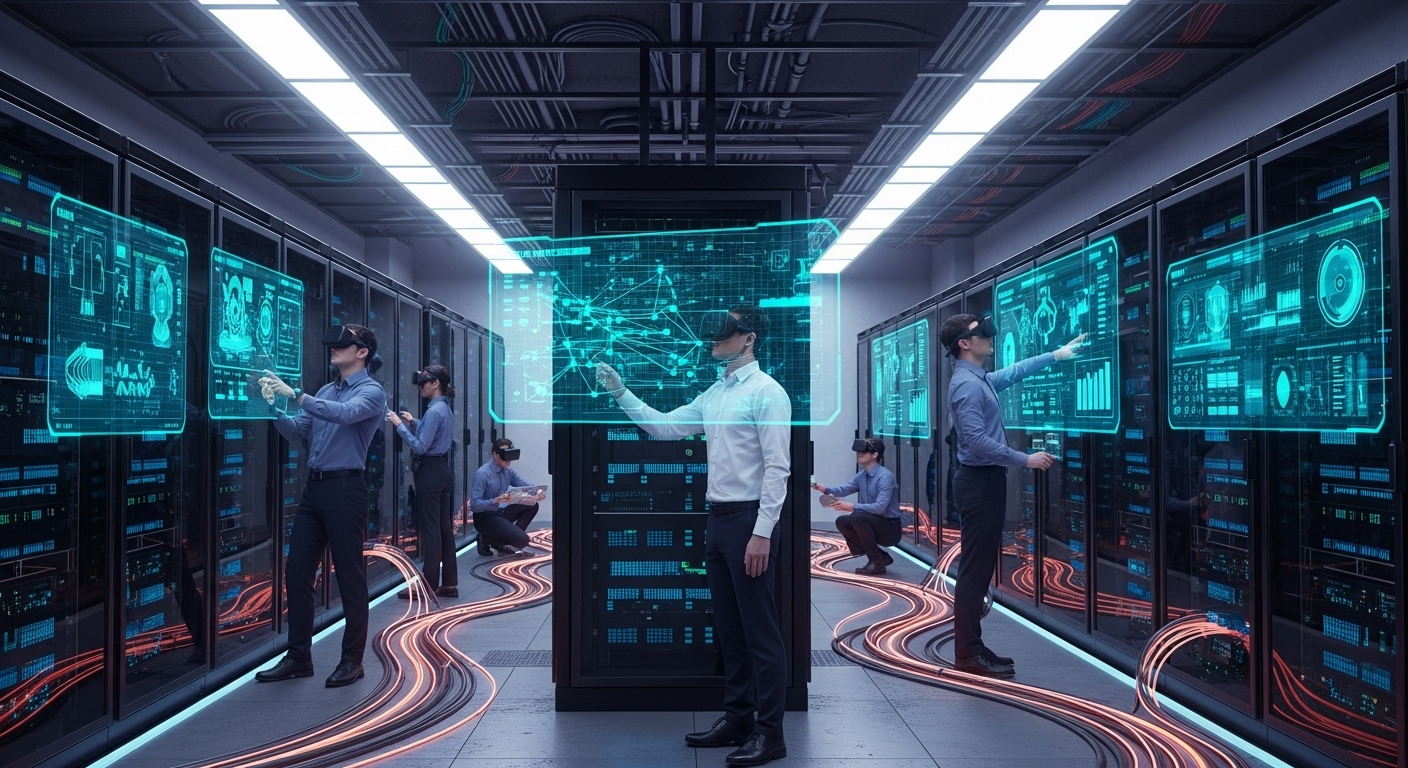
Technology has become an inseparable part of modern life, touching nearly every aspect of how we live, work, and interact. From smartphones and cloud computing to artificial intelligence and robotics, technology shapes our daily routines, revolutionizes industries, and connects the world in ways previously unimaginable. The rapid pace of technological innovation continues to redefine possibilities, making once futuristic concepts part of everyday life. This blog explores the ways technology is transforming society, the key innovations driving this change, and the potential future of human advancement.
The Historical Journey of Technology
The history of technology is a testament to human curiosity and ingenuity. Early tools such as the wheel, lever, and simple machines laid the foundation for civilization. The printing press revolutionized knowledge sharing, and the telegraph and telephone transformed communication. The 20th century brought computers, the internet, and mobile technology, connecting people across continents in real-time. Today, innovations like artificial intelligence, smart devices, robotics, and cloud computing continue this journey, bridging the gap between imagination and reality. Each era of technological advancement demonstrates humanity’s pursuit of efficiency, problem-solving, and progress.
Artificial Intelligence and Machine Learning
Artificial intelligence (AI) is reshaping industries, businesses, and personal life. AI systems can analyze vast datasets, identify patterns, make predictions, and automate complex decision-making. Machine learning, a subset of AI, allows computers to improve performance over time without explicit programming. Applications are vast: virtual assistants help organize daily life, AI in healthcare predicts diseases and recommends treatments, and autonomous vehicles are beginning to redefine transportation. By enhancing decision-making, productivity, and efficiency, AI is one of the most transformative forces in modern technology.
Automation and Industry Transformation
Automation has revolutionized industries by performing tasks that are repetitive, dangerous, or time-consuming. Manufacturing industries utilize robots for assembling products with high precision and speed. Logistics and supply chain management increasingly rely on automated systems for tracking inventory and optimizing deliveries. Administrative tasks, including payroll and data entry, are now often automated through intelligent software. While automation raises concerns about workforce displacement, it also creates new opportunities in system management, robotics programming, and technology maintenance. The integration of human intelligence and automation is redefining the workplace.
Communication in the Digital Age
Technology has completely changed the way humans communicate. Email, instant messaging, video conferencing, and collaborative platforms allow individuals to interact instantly across the globe. Social media enables communities to form, ideas to spread, and real-time engagement to occur seamlessly. Remote work has become common, breaking geographical boundaries and allowing teams to collaborate without being physically present. Modern communication tools have made interaction faster, more efficient, and inclusive, strengthening both personal and professional connections.
Smart Devices and Daily Life
Smart devices are now central to daily living. Smartphones serve as hubs for communication, entertainment, navigation, and productivity. Wearable devices monitor health, track fitness, and provide real-time updates and reminders. Smart home systems manage lighting, security, climate, and appliances, offering convenience and energy efficiency. These devices demonstrate how technology adapts to individual lifestyles, seamlessly integrating into daily routines and improving quality of life.
Cloud Computing and Digital Infrastructure
Cloud computing has transformed how data is stored, accessed, and managed. By relying on remote servers, organizations and individuals can collaborate in real-time, scale operations efficiently, and reduce dependence on physical infrastructure. Cloud technology supports streaming platforms, enterprise applications, remote education, and collaborative tools. Its flexibility and accessibility have made it a cornerstone of modern digital infrastructure, fostering innovation, global collaboration, and business scalability.
Big Data and Analytics
In today’s digital world, data has become one of the most valuable assets. Every transaction, interaction, and digital action generates information. Big data analytics allows organizations to process this information to identify patterns, understand consumer behavior, and make data-driven decisions. Businesses use analytics to improve marketing strategies, optimize operations, and enhance customer experience. Governments employ data for urban planning, healthcare management, and public service optimization. Proper use of data drives innovation, efficiency, and intelligent decision-making across all sectors.
Cybersecurity and Digital Safety
As reliance on technology grows, cybersecurity has become essential. Cyber threats target personal information, corporate systems, and even national infrastructure. Protecting digital assets requires secure authentication, encryption, continuous monitoring, and user education. Organizations invest heavily in cybersecurity to maintain trust and prevent breaches, while individuals must adopt safe online practices. Effective cybersecurity ensures that technology remains safe, reliable, and empowering for both personal and professional use.
Robotics and Human Collaboration
Robotics has transformed manufacturing, healthcare, logistics, and service industries. Industrial robots enhance efficiency, precision, and consistency in production. Service robots assist in hospitals, warehouses, and customer support environments. Collaborative robots, known as cobots, work alongside humans to enhance productivity and reduce physical strain. Robotics combines engineering, AI, and machine learning, enabling machines to adapt, learn, and collaborate with humans effectively. Human-robot collaboration is redefining workplaces, improving efficiency, and ensuring safer operations.
Healthcare Technology Advancements
Healthcare has been profoundly transformed by technology. Telemedicine enables remote consultations, expanding access to medical services. AI supports diagnostics, predicts outcomes, and assists in treatment planning. Wearable devices monitor vital signs, encouraging preventive care and health awareness. Robotic-assisted surgeries allow for precise procedures and faster recovery. Digital health records enable seamless information sharing among healthcare providers, enhancing coordination and care quality. Technology empowers both patients and providers, improving outcomes and accessibility.
Education in the Digital Era
Technology has revolutionized education, making learning more interactive, accessible, and personalized. Online platforms offer virtual classrooms, interactive resources, and global collaboration opportunities. AI-driven tools adapt lessons to individual learning styles, enhancing comprehension and retention. Digital simulations and collaborative projects encourage creativity, critical thinking, and problem-solving. By integrating technology, education becomes more flexible and inclusive, preparing students for a digital future while fostering lifelong learning.
Entertainment and Digital Creativity
Technology has reshaped the entertainment industry. Streaming platforms provide instant access to films, music, and shows. Video games offer immersive experiences with realistic graphics and interactive storytelling. Digital tools enable artists to create music, animations, and visual content with precision. Virtual and augmented reality provide immersive experiences, enhancing audience engagement. Technology has expanded the possibilities for creativity, making entertainment interactive, accessible, and engaging worldwide.
Sustainable Technology and Environmental Solutions
Sustainability is a growing focus in technological innovation. Renewable energy sources such as solar, wind, and hydro reduce dependence on fossil fuels. Electric vehicles decrease carbon emissions, while precision agriculture optimizes resources for better yield and environmental conservation. Smart cities use technology to manage energy, traffic, and waste efficiently. Sustainable technology aligns human progress with environmental responsibility, creating a balance between development and the planet’s well-being.
Emerging Technologies and the Future
The future promises transformative advancements. Quantum computing may solve problems beyond the reach of classical systems. Augmented reality and virtual reality are set to redefine education, work, and entertainment experiences. Biotechnology continues to advance medicine, agriculture, and environmental solutions. Autonomous systems, such as self-driving vehicles and delivery drones, are reshaping transportation and logistics. Emerging technologies will redefine human capability, societal structures, and global connectivity, opening new opportunities for progress and innovation.
Conclusion
Technology has evolved from a tool to the foundation of modern civilization. Its impact spans communication, healthcare, education, business, entertainment, and sustainability. Innovations in artificial intelligence, robotics, cloud computing, automation, and smart devices continue to transform daily life and reshape industries. Responsible and ethical use of technology is essential to maximize its benefits and minimize risks. By embracing innovation thoughtfully, society can create a future that is more connected, efficient, sustainable, and prosperous. Technology empowers humans to explore, innovate, and achieve in ways that were once unimaginable.