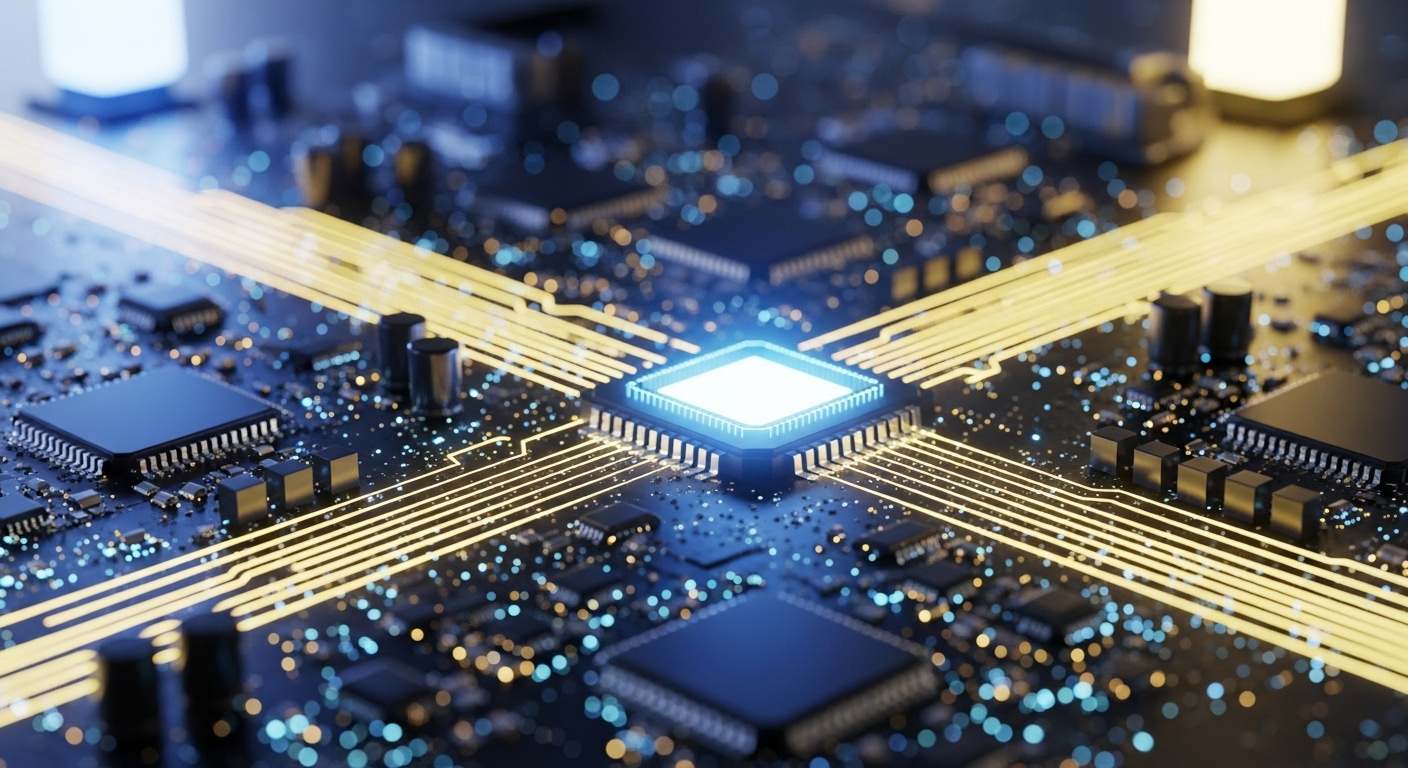







The Role of Technology in Modern Life
Technology has become the backbone of contemporary life. It affects how we communicate, learn, work, and entertain ourselves. From the smartphones in our pockets to complex industrial machines, technology surrounds us in ways that are both visible and invisible. Beyond convenience, technology has the power to transform societies, influence economies, and shape the future of human interaction.
The evolution of technology is a reflection of human creativity and necessity. Early inventions such as the wheel, printing press, and steam engine were milestones that drastically changed human society. Today, digital technology continues to accelerate this transformation. From artificial intelligence to cloud computing, technology now drives innovation and problem-solving on a global scale.
Digital Communication and Connectivity
One of the most profound impacts of technology is on communication. The digital era has enabled instant interaction across continents. Email, messaging apps, and social media platforms allow people to share information, collaborate, and maintain relationships regardless of distance. Video conferencing has transformed business meetings, education, and even family gatherings, making face-to-face interaction possible without physical presence.
The expansion of the internet has also democratized information. People now have access to knowledge that was once limited to specific institutions or locations. Online learning platforms, digital libraries, and forums provide resources for education, skill development, and professional growth. Technology has made connectivity both personal and educational, bridging gaps that were previously considered insurmountable.
Artificial Intelligence and Machine Learning
Artificial intelligence (AI) is one of the most transformative forces in technology today. AI systems can analyze vast amounts of data, detect patterns, and make predictions faster than humans. This capability has applications across industries. In healthcare, AI assists in diagnosing diseases, predicting patient outcomes, and even discovering new treatments. In business, AI optimizes supply chains, predicts consumer behavior, and enhances customer experiences.
Machine learning, a subset of AI, allows systems to improve performance over time without explicit programming. Algorithms learn from past data and can make decisions based on patterns. While these technologies offer efficiency and insight, they also raise ethical considerations. Issues like data privacy, algorithmic bias, and job displacement must be addressed to ensure AI benefits society as a whole.
Cloud Computing and the Modern Workplace
Cloud computing has revolutionized how organizations store, access, and manage data. Instead of relying solely on physical servers, businesses and individuals can use cloud platforms to store files, run applications, and collaborate remotely. This has enabled the rise of remote work, allowing teams to operate efficiently from different parts of the world.
The benefits of cloud computing extend beyond convenience. It reduces infrastructure costs, increases scalability, and ensures data is accessible and secure. Many industries, including finance, healthcare, and education, rely heavily on cloud technology to maintain operations and deliver services. The flexibility of the cloud allows organizations to innovate faster and respond to changes in the market effectively.
The Internet of Things: Creating a Connected World
The Internet of Things (IoT) refers to a network of interconnected devices that communicate and share data. Smart homes, wearable devices, connected vehicles, and industrial sensors all fall under the IoT umbrella. These devices collect data and use it to make processes more efficient, convenient, and safe.
For example, smart thermostats can adjust home temperatures automatically, wearable fitness devices monitor health metrics in real-time, and connected vehicles can optimize routes using traffic data. In industries, IoT enables predictive maintenance, reducing downtime and improving productivity. IoT is creating a world where technology anticipates human needs and improves quality of life in subtle yet powerful ways.
Cybersecurity in a Digital Age
As technology becomes more integrated into daily life, cybersecurity has become increasingly critical. The growth of digital infrastructure has created new vulnerabilities. Data breaches, ransomware attacks, and identity theft are major threats in the digital world. Protecting sensitive information is essential for businesses, governments, and individuals alike.
Cybersecurity involves more than just antivirus software. It includes encryption, secure authentication, AI-driven threat detection, and continuous monitoring. As technology advances, cyber threats become more sophisticated, requiring equally advanced defense mechanisms. The future of technology relies on building secure systems that maintain trust while supporting innovation.
Technology and the Evolution of Work
The modern workplace has been reshaped by technology. Automation, AI, and digital collaboration tools have changed how tasks are performed, how teams communicate, and what skills are needed. Repetitive tasks are increasingly handled by machines, allowing employees to focus on strategic thinking, creativity, and problem-solving.
Remote work has been facilitated by technology, allowing people to collaborate from any location. Cloud-based platforms, video conferencing, and project management tools ensure productivity and communication remain uninterrupted. These shifts require workers to develop digital literacy, adaptability, and cybersecurity awareness. Technology is not just changing where we work—it is redefining the very nature of work itself.
Entertainment in the Digital Era
Technology has transformed entertainment in unprecedented ways. Streaming platforms, video games, virtual reality experiences, and AI-generated content have redefined how people consume media. Audiences now have access to content on demand, personalized recommendations, and interactive experiences that were unimaginable a decade ago.
Gaming, in particular, demonstrates technology’s power to create immersive experiences. Advanced graphics, AI-driven characters, and multiplayer platforms allow players to explore digital worlds, compete professionally, and socialize with others globally. Technology is not just delivering entertainment—it is creating communities, experiences, and opportunities for creativity.
Healthcare and Technology
Healthcare has benefited immensely from technological advancements. Telemedicine allows patients to consult with doctors remotely, wearable devices track vital signs, and AI algorithms help identify medical conditions earlier than traditional methods. Robotics has enabled surgeons to perform complex operations with precision, while big data analytics improves hospital management and patient care.
Personalized medicine, powered by genomic research and AI, is changing how treatments are designed and delivered. Patients can now receive care tailored to their unique needs, increasing the effectiveness of treatment and improving outcomes. Technology is transforming healthcare from reactive to proactive, making it more accessible, efficient, and precise.
Education in the Digital Age
Technology has also reshaped education. E-learning platforms, virtual classrooms, and interactive tools have made education more engaging, flexible, and inclusive. Students can access learning materials anytime, collaborate online, and receive personalized instruction. Technology has also enabled educators to track progress, adapt teaching methods, and create interactive content that caters to diverse learning styles.
Lifelong learning has become easier with digital platforms that allow adults to acquire new skills, adapt to changing industries, and enhance professional development. Virtual reality, simulations, and AI tutors are shaping the next generation of education, making learning an immersive and continuous process.
Ethical and Environmental Considerations
With the rapid advancement of technology comes the responsibility to consider ethics and sustainability. Issues such as data privacy, AI bias, digital inequality, and environmental impact cannot be ignored. Technology should serve humanity without compromising ethical standards or the planet’s health.
Data centers, electronics, and AI computations consume significant energy, highlighting the importance of sustainable practices. Ethical development ensures that technology benefits society as a whole while minimizing harm. Balancing innovation with responsibility will define the future of technology.
The Future of Technology
Looking ahead, technology promises to further revolutionize human life. Quantum computing, advanced AI, augmented reality, biotechnology, and next-generation connectivity will redefine industries, healthcare, education, and daily living. These innovations have the potential to create smarter cities, more efficient industries, and deeper human connections.
The key to embracing this future lies in responsible development. Ethical guidelines, sustainability, cybersecurity, and equitable access must accompany technological progress. Those who can harness technology responsibly will drive the next wave of human advancement, creating a world that is connected, efficient, and inclusive.
Conclusion
Technology is no longer a luxury—it is an essential component of modern life. It shapes how we communicate, work, learn, entertain, and solve problems. From artificial intelligence and cloud computing to the Internet of Things and cybersecurity, technology touches every aspect of human existence.
The pace of technological innovation offers both opportunities and challenges. While technology can improve quality of life, increase productivity, and foster creativity, it also demands ethical considerations, sustainability, and security. Embracing technology responsibly allows humanity to unlock its full potential, creating a future that is smarter, safer, and more connected.
Technology is not just a tool; it is a transformative force that continues to shape the world, one innovation at a time.