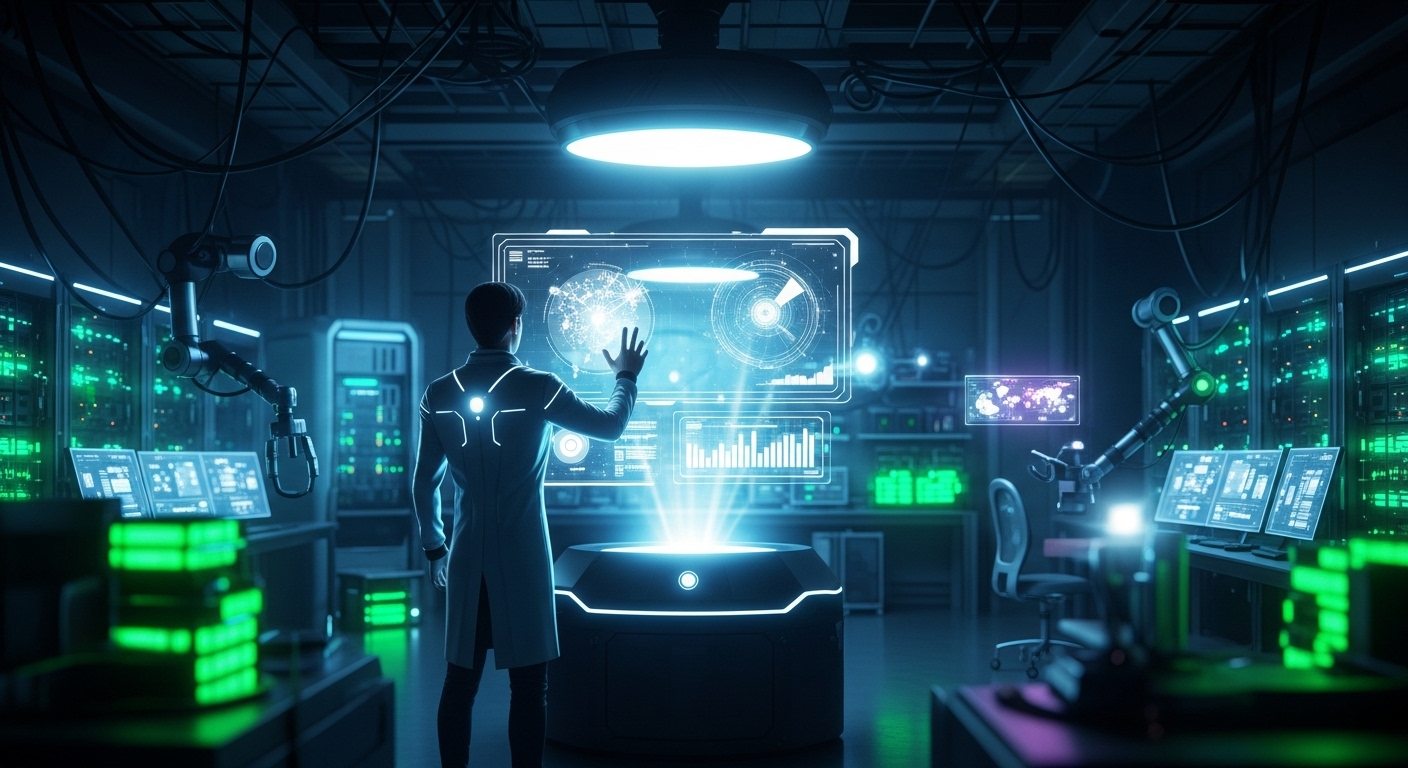






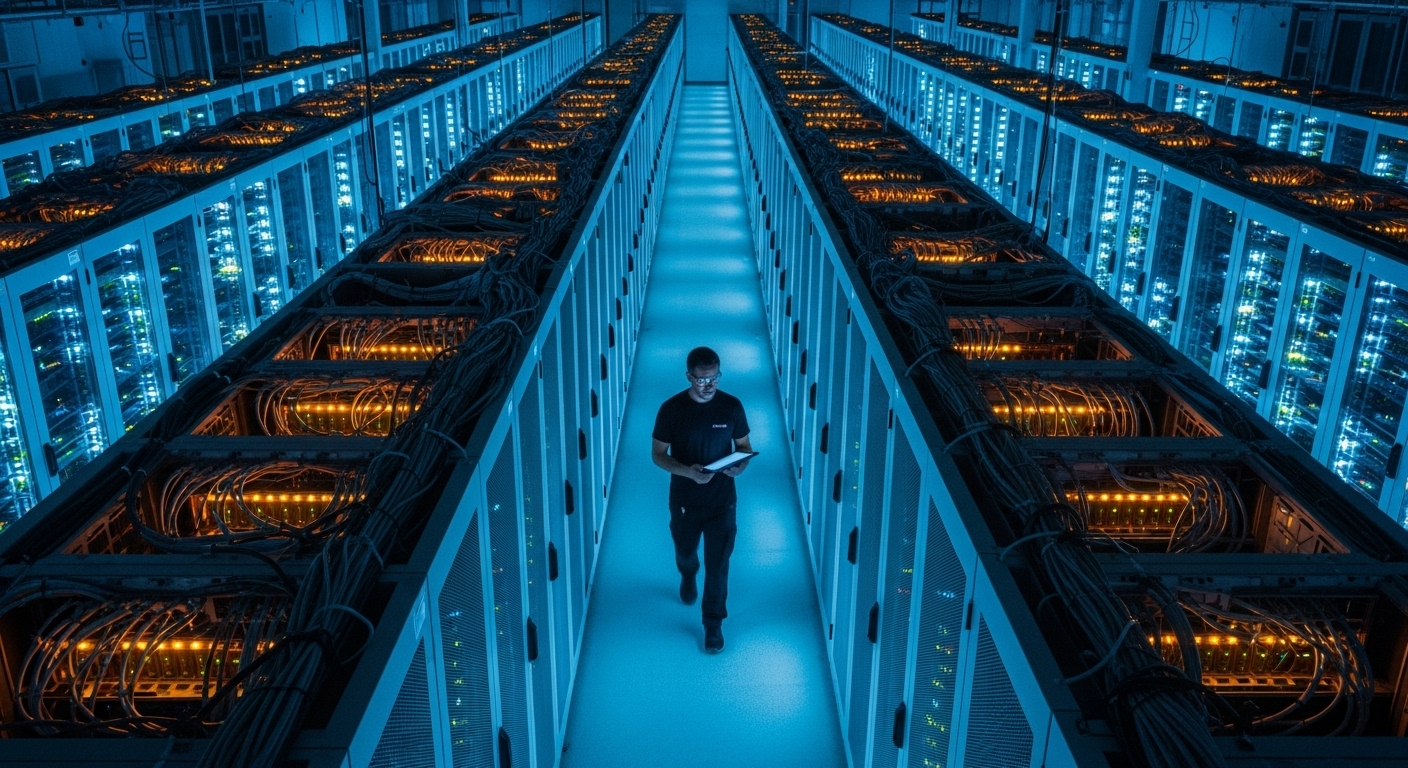
Technology is the most powerful force driving the modern world. It influences how we communicate, learn, work, and even think. Every innovation brings us closer to a future that once existed only in our imagination. From artificial intelligence to robotics, the digital age is transforming human life in ways we could never have predicted.
The Rise of Artificial Intelligence
Artificial Intelligence, commonly known as AI, is one of the greatest breakthroughs of our time. It allows machines to think, learn, and make decisions almost like humans. Today, AI is used in countless ways—helping doctors diagnose diseases, guiding cars without drivers, and even assisting in creative fields like art and music.
The more AI evolves, the more it challenges the boundaries of human capability. Yet, it also raises important ethical questions. Can machines replace human judgment? Will automation take away jobs? The answers lie in how responsibly humanity develops and uses this incredible technology.
The Power of Automation
Automation is reshaping industries across the globe. Tasks that once required hours of manual labor can now be completed in minutes through smart systems and robotics. In factories, robots assemble products with precision. In offices, software programs manage data, analyze trends, and streamline workflows.
However, automation does not just remove jobs—it transforms them. It creates opportunities for workers to focus on creative and strategic tasks while machines handle repetitive ones. The future workforce will depend on those who can adapt, learn, and work alongside technology rather than fear it.
The Internet of Things: A World Connected
The Internet of Things, or IoT, is connecting everything around us—from smartwatches and refrigerators to entire cities. It enables devices to communicate, share data, and make life easier and more efficient.
Imagine a home that adjusts its temperature automatically, reminds you to buy groceries, or tracks your energy use to help save money. That is the power of IoT. As this technology continues to grow, it will make our world smarter, but it will also demand stronger security systems to protect our privacy and data.
5G Technology: The Future of Connectivity
The introduction of 5G networks is revolutionizing the way we connect to the internet. With lightning-fast speeds and minimal delays, 5G is opening doors to technologies like autonomous vehicles, virtual reality, and remote surgeries.
This technology will enhance communication, allowing millions of devices to connect simultaneously without slowing down. It will also improve the performance of smart cities, digital businesses, and entertainment. The world will soon experience seamless connectivity where distance and time will no longer be barriers.
Virtual and Augmented Reality: A New Way to Experience Life
Virtual Reality (VR) and Augmented Reality (AR) are changing how we experience the digital world. VR immerses users in completely virtual environments, while AR overlays digital elements onto the real world. These technologies are no longer limited to gaming; they are now used in education, healthcare, design, and even tourism.
Students can explore the solar system through VR headsets, surgeons can practice complex operations using simulations, and customers can visualize products before buying them. As VR and AR continue to advance, the line between the physical and digital worlds will become increasingly blurred.
Blockchain: Building Trust in the Digital Age
Blockchain technology has gained fame through cryptocurrencies, but its potential goes far beyond digital money. At its core, blockchain is a system that records information securely and transparently. It can be used to track supply chains, store medical records, or verify digital identities.
Because blockchain data cannot be easily altered, it provides a new level of trust in online transactions. As cyber threats increase, blockchain may become one of the most reliable tools for ensuring data integrity and digital security in the future.
Green Technology: Innovation for a Sustainable Planet
While technology has brought many benefits, it has also contributed to environmental challenges. Today, innovators are focusing on creating eco-friendly technologies to protect the planet. Renewable energy sources such as solar and wind power are becoming more efficient and affordable. Electric vehicles are reducing pollution and dependence on fossil fuels.
Smart farming technologies are helping farmers grow crops more efficiently while conserving resources. The rise of green tech shows that innovation and sustainability can go hand in hand, paving the way for a cleaner, greener future.
The Role of Technology in Education
Education has changed dramatically thanks to technology. Online learning platforms, virtual classrooms, and interactive digital tools are making education more accessible to people around the world. Students can now learn from global experts without leaving their homes.
Artificial intelligence is being used to personalize learning experiences, helping students understand concepts at their own pace. Virtual reality is bringing lessons to life, turning complex subjects into engaging experiences. As technology continues to evolve, education will become more inclusive, creative, and effective.
The Future of Work in a Digital World
Technology is redefining what work means. Remote working tools, digital collaboration platforms, and automation are changing how companies operate. Workers are no longer bound by physical offices or traditional schedules.
However, this transformation also requires continuous learning. The most successful professionals of the future will be those who embrace change and adapt to new tools and systems. Digital skills, creativity, and emotional intelligence will become as valuable as technical knowledge.
The Road Ahead: Challenges and Opportunities
As technology advances, it brings both challenges and opportunities. Data privacy, cybersecurity, and ethical concerns are growing issues that must be addressed. Governments, companies, and individuals need to work together to create laws and systems that protect users without slowing down progress.
At the same time, emerging technologies like quantum computing, biotechnology, and space exploration are opening new possibilities. The coming decades could redefine human civilization as we know it, leading to discoveries that push beyond the limits of imagination.
Conclusion: Embracing the Future
Technology is not just about machines and codes; it is about human progress. It has the power to solve problems, connect people, and create a better world. But it must be used wisely and responsibly. The digital age is still unfolding, and how we shape it will determine the future of generations to come.
To thrive in this new era, we must embrace innovation with curiosity, creativity, and conscience. The future belongs to those who are ready to grow with technology, not fear it. The journey has just begun, and the possibilities are endless.