






Introduction: Technology as the Pulse of Modern Life
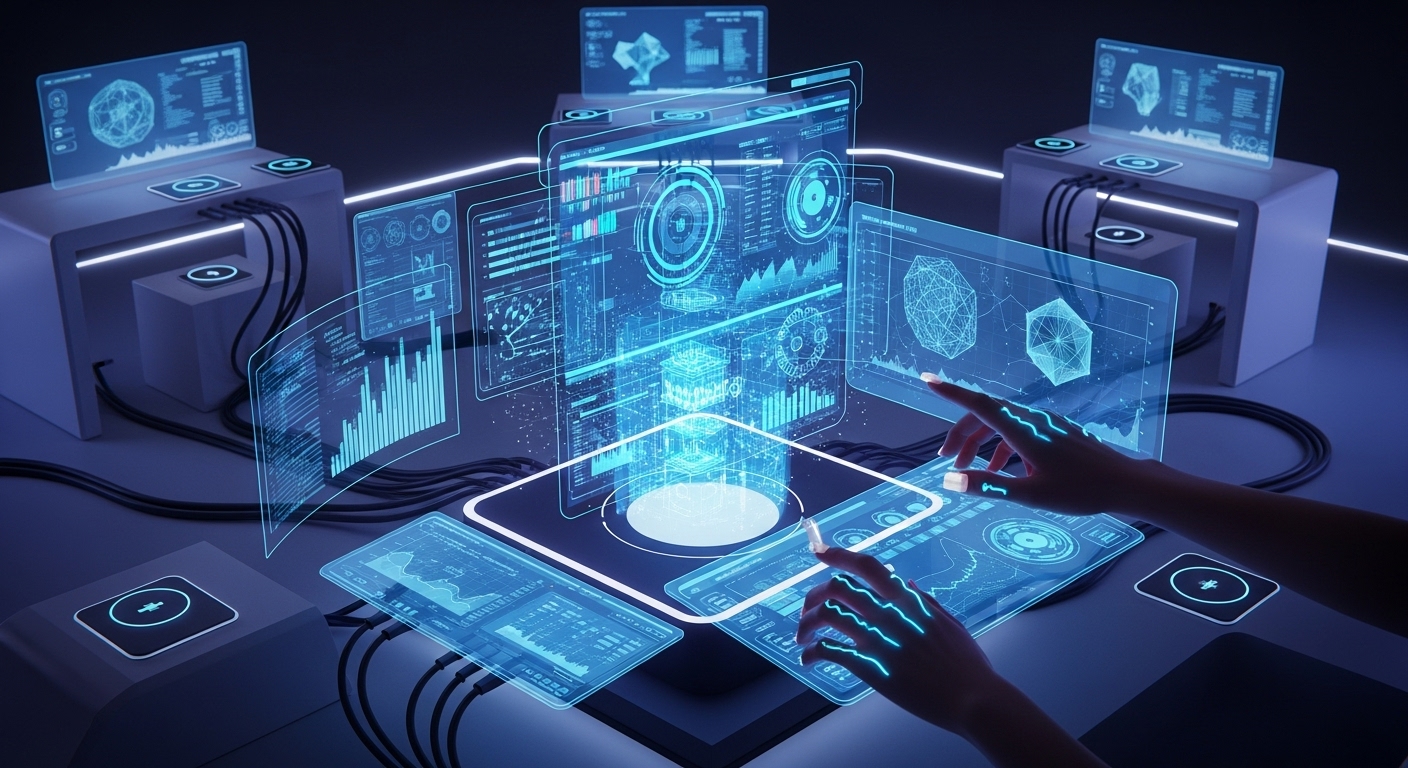
In today’s rapidly evolving world, technology is more than a convenience—it is the very backbone of society. It shapes how we communicate, work, learn, travel, and entertain ourselves. The innovations of today impact every facet of life, from individual daily routines to global industries. Smartphones, artificial intelligence, virtual reality, renewable energy solutions, and advanced medical technologies are no longer futuristic concepts—they are tools actively reshaping human existence. This blog explores the evolution of technology, its current impact, and its potential to shape the future of humanity.
The Evolution of Technology
Technology has always been a reflection of human ingenuity. Early humans developed basic tools such as fire, the wheel, and simple farming implements to meet their survival needs. These early inventions laid the foundation for more complex systems that enabled civilizations to flourish. The Industrial Revolution introduced mechanization, electricity, and mass production, transforming societies and economies on a massive scale. In the 20th century, digital technologies such as computers, the internet, and mobile communication created the information age, connecting people globally. Today, technologies like artificial intelligence, robotics, biotechnology, and quantum computing are driving exponential growth, ushering in an era of innovation with unprecedented potential.
Communication in the Digital Age
The ways we communicate have been fundamentally transformed by technology. The telegraph, telephone, and radio once revolutionized long-distance interaction. Now, mobile phones, instant messaging, video calls, and social media platforms allow global communication in real time. Businesses collaborate seamlessly across continents, and students can access lectures and educational materials from anywhere in the world. Technology has eliminated the barriers of distance and time, making communication faster, more efficient, and interactive than ever before.
Technology in Education
Education has been revolutionized by digital innovation. Online learning platforms, virtual classrooms, and interactive tools have made knowledge more accessible than ever. Students can explore a wealth of subjects at their own pace through e-learning modules and educational apps. Virtual reality and augmented reality create immersive learning experiences that help students understand complex topics in practical ways. Artificial intelligence personalizes learning, adapting to each student’s pace and learning style. Teachers can monitor progress in real time, provide instant feedback, and deliver more engaging content. Technology has not only expanded access to education but has also enhanced its quality and effectiveness.
Healthcare and Medical Advancements
Technological advancements have transformed healthcare, improving both patient outcomes and medical processes. Medical imaging, robotic-assisted surgeries, telemedicine, and wearable health devices have revolutionized diagnosis, treatment, and ongoing monitoring. Artificial intelligence assists doctors in predicting diseases, personalizing treatment plans, and accelerating research and drug development. Electronic health records streamline patient management and enhance accuracy in medical care. These technologies have made healthcare more accessible, efficient, and precise, allowing people to live longer, healthier lives.
Artificial Intelligence and Machine Learning
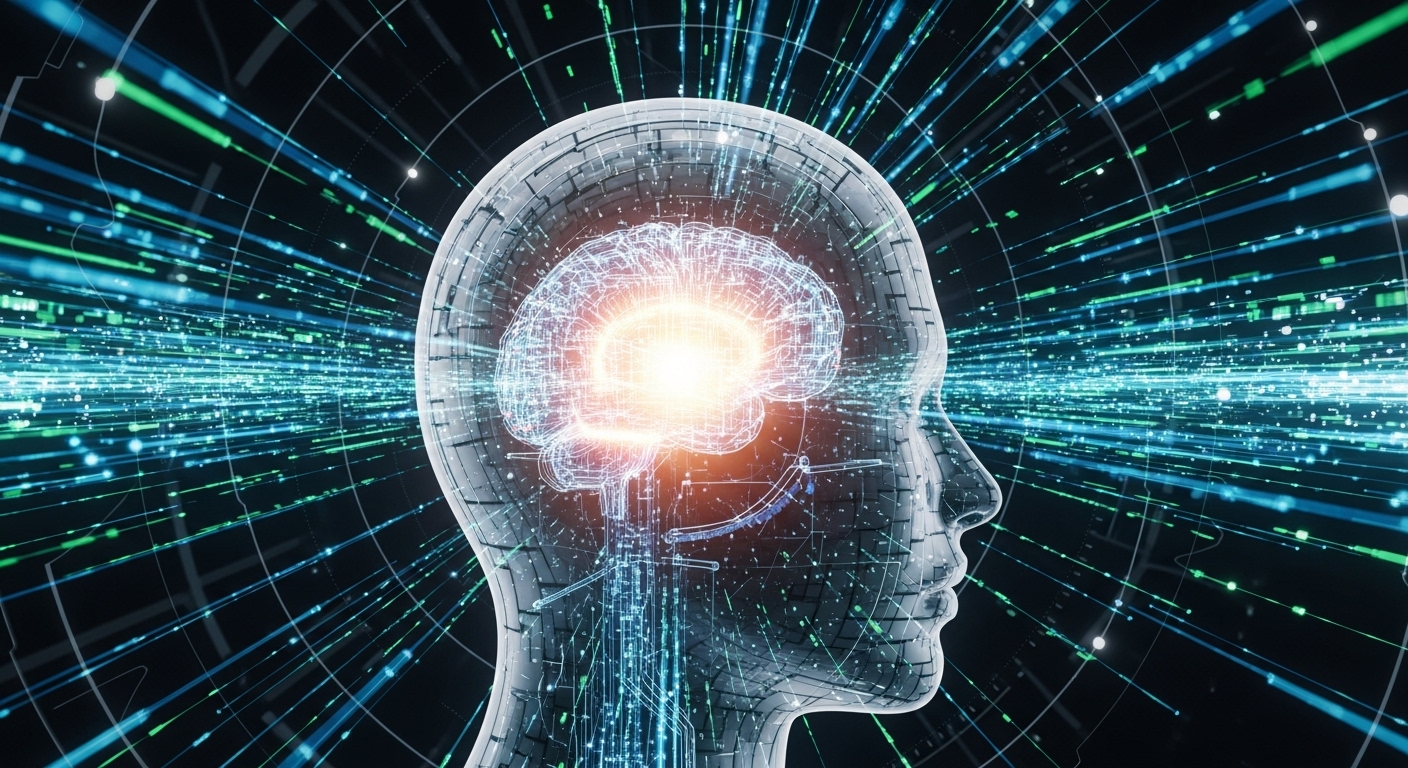
Artificial intelligence and machine learning are at the forefront of technological innovation. AI powers applications such as virtual assistants, autonomous vehicles, smart home devices, and predictive analytics. Machine learning algorithms analyze massive datasets, helping businesses, scientists, and governments make data-driven decisions. Industries like finance, healthcare, manufacturing, and logistics are leveraging AI to improve efficiency and reduce human error. AI also accelerates research, enabling complex problems to be solved faster. As AI continues to advance, it will increasingly become integrated into daily life, reshaping work, decision-making, and personal experiences.
Technology in Business and Industry
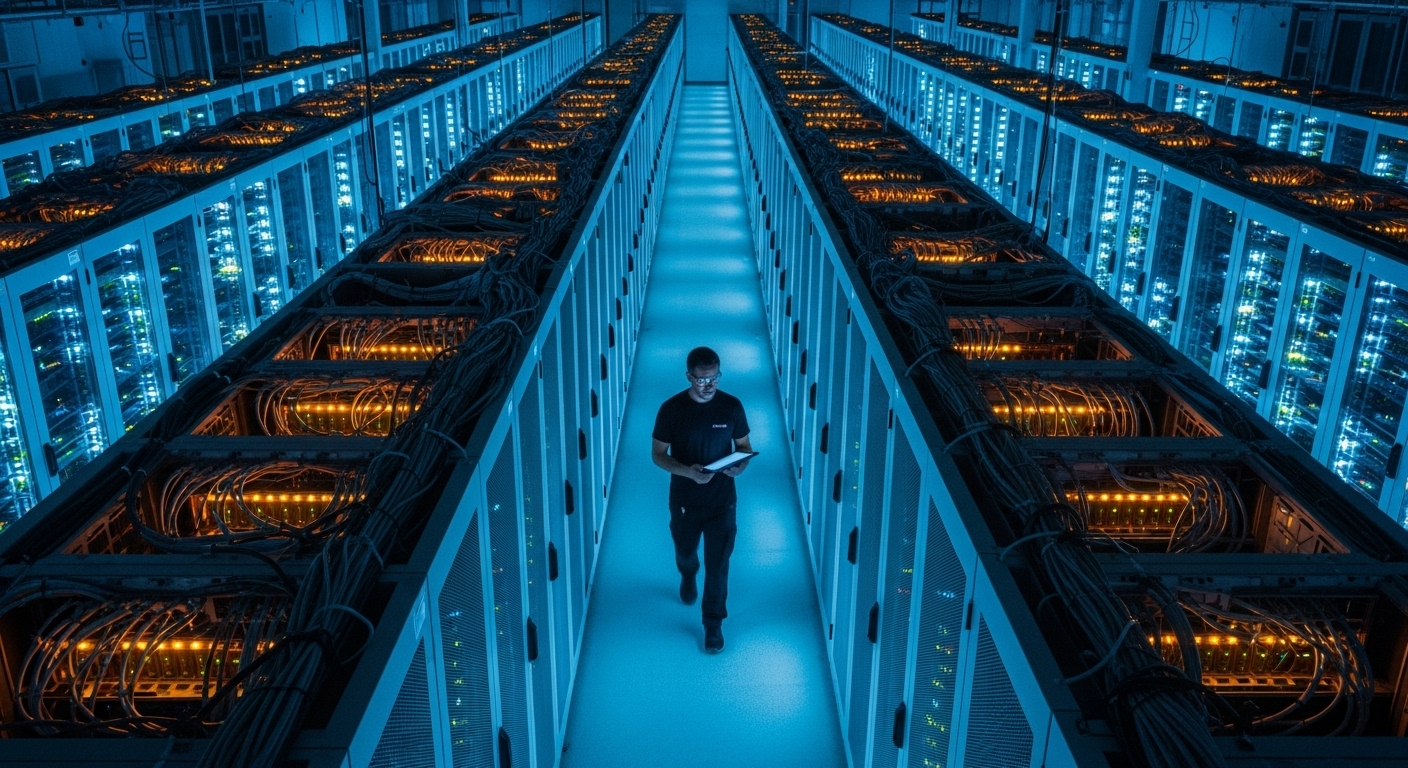
The business world has been transformed by technology. Cloud computing enables seamless collaboration, flexible data storage, and real-time communication across the globe. Automation and robotics streamline production processes, logistics, and repetitive tasks. Big data analytics provides insights into customer behavior, operational efficiency, and market trends, helping organizations make informed decisions. E-commerce platforms have opened global markets to businesses of all sizes. Technology allows companies to innovate, adapt, and compete effectively in a constantly evolving economic landscape.
Entertainment in the Digital Era
Technology has redefined entertainment in profound ways. Streaming platforms allow on-demand access to movies, music, and television shows. Video games have evolved into interactive, immersive experiences with advanced graphics, artificial intelligence, and competitive esports leagues. Virtual reality and augmented reality create fully immersive entertainment experiences. Social media platforms provide creators with the ability to share content with global audiences, democratizing the creation and distribution of entertainment. Technology has made entertainment more engaging, personalized, and accessible than ever before.
Transportation and Mobility
Technological advancements are revolutionizing transportation and mobility. Electric vehicles are reducing environmental impact while autonomous vehicles and drones are reshaping logistics and personal travel. GPS navigation systems and intelligent traffic management improve urban mobility, reducing congestion and travel time. High-speed trains, advanced public transit systems, and aerospace technologies enhance connectivity across regions and continents. Transportation technology is improving efficiency, safety, accessibility, and sustainability, redefining how people and goods move around the world.
Technology and Sustainable Development
Sustainability is one of the most significant areas impacted by technology. Renewable energy sources such as solar, wind, and hydroelectric power reduce reliance on fossil fuels. Smart grids and energy-efficient appliances optimize energy consumption. Advanced monitoring technologies track pollution, climate change, and biodiversity, enabling informed decision-making for environmental protection. Technology allows societies to grow economically while preserving natural resources, promoting a sustainable future for generations to come.
Cybersecurity in a Digital World
As technology becomes more pervasive, cybersecurity has emerged as a critical concern. Protecting sensitive information, personal data, and organizational systems from cyber threats is essential. Encryption, multi-factor authentication, and AI-driven security systems help safeguard digital infrastructure. Cybersecurity awareness and education are crucial for ensuring safe online practices. Reliable cybersecurity is necessary to maintain trust, stability, and the safe use of technology in every sector of society.
Ethical Considerations in Technology
The rapid growth of technology brings ethical challenges that must be addressed responsibly. Issues such as data privacy, algorithmic bias, automation, and surveillance require careful attention. Ensuring equitable access to technology and preventing misuse are essential for fairness and social well-being. Ethical technology practices involve transparency, accountability, and regulations that prioritize human welfare. Responsible innovation ensures that technological advancements benefit society while minimizing harm and potential risks.
The Future of Technology
The future of technology promises unprecedented opportunities. Emerging fields such as quantum computing, biotechnology, advanced robotics, artificial intelligence, and space exploration will redefine human capabilities. The Internet of Things will connect cities, homes, and workplaces in new, intelligent ways. Technology will continue to transform industries, economies, and cultures, creating new possibilities and challenges. Preparing for the future requires adaptability, creativity, and foresight, ensuring that humanity maximizes the benefits of innovation while addressing potential risks.
Conclusion: Embracing Technology for Progress
Technology is deeply intertwined with modern life, shaping communication, education, healthcare, business, transportation, entertainment, and sustainability. Innovations like artificial intelligence, robotics, renewable energy, and digital platforms are transforming the world and redefining human potential. While challenges such as cybersecurity, ethical considerations, and equitable access persist, embracing technology responsibly offers the opportunity to improve quality of life, foster economic growth, and create a sustainable, connected future. Technology is not merely a tool—it is a catalyst driving the present and defining the future of human civilization.