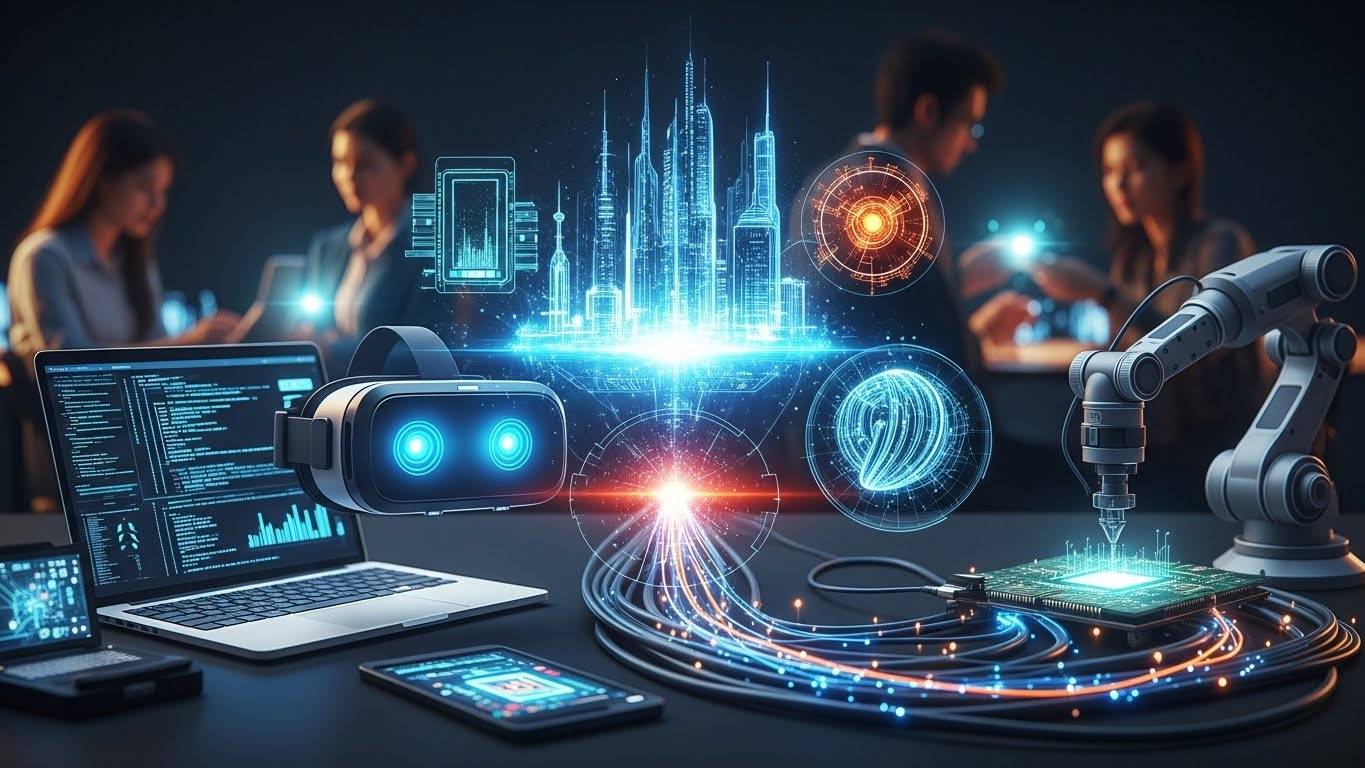






Technology is no longer just a part of human life—it is the force driving our society forward. From smartphones and artificial intelligence to renewable energy and space exploration, technology influences nearly every aspect of modern existence. It shapes how we communicate, work, learn, and entertain ourselves. The pace of innovation continues to accelerate, creating opportunities, challenges, and transformations that redefine what it means to live in a digital world. This blog explores the evolution of technology, its impact on daily life, its role in various sectors, the challenges it brings, and the exciting future that lies ahead.
The Evolution of Technology
The history of technology is the story of human ingenuity. Early humans created simple tools for survival—stone blades for hunting, fire for cooking, and basic irrigation for agriculture. These innovations enabled humans to thrive and laid the foundation for future advancements.
The Industrial Revolution marked a turning point, introducing machinery, steam engines, and mass production. This era transformed economies, urbanized societies, and reshaped labor systems. The 20th century brought electricity, telecommunication, and computers, which revolutionized communication, commerce, and education.
In recent decades, the digital age has redefined the boundaries of possibility. The internet, mobile devices, artificial intelligence, and cloud computing have connected people, automated tasks, and created global platforms for collaboration. Technology continues to evolve rapidly, and innovations in robotics, biotechnology, and space exploration promise to shape the next century.
Technology and Communication
One of technology’s most significant impacts is on communication. The invention of the telephone revolutionized personal and business interactions. The internet and mobile devices further transformed communication, allowing instant messaging, video calls, and social networking across the globe.
Social media platforms, email, and collaborative tools have changed the way individuals and organizations interact. Information travels instantly, connecting communities, businesses, and governments in unprecedented ways. Technology has not only improved convenience but also enhanced global collaboration and cultural exchange.
Technology in Education
Education has been transformed by technology, making learning more accessible, interactive, and personalized. Online courses, virtual classrooms, and e-learning platforms allow students to learn from anywhere, breaking geographic barriers.
Artificial intelligence and data analytics are being used to personalize learning experiences. AI can identify areas where students struggle and provide tailored lessons, improving retention and performance. Virtual reality and augmented reality offer immersive educational experiences, from virtual field trips to simulated laboratory experiments.
Technology also empowers teachers, providing tools to track progress, assess understanding, and optimize instruction. In the digital age, education and technology are inseparable, shaping the next generation of innovators.
Technology in Healthcare
Technology has revolutionized healthcare, improving patient outcomes and expanding access to medical services. Medical imaging, robotic surgery, telemedicine, and wearable devices have enhanced precision and efficiency in diagnosis and treatment.
Artificial intelligence assists doctors in analyzing medical data, predicting disease trends, and creating personalized treatment plans. Remote monitoring devices allow patients to receive care from their homes, improving accessibility and reducing costs.
Advancements in biotechnology, genomics, and pharmaceuticals have accelerated research, enabling faster development of vaccines, treatments, and medical devices. Technology ensures healthcare is safer, more efficient, and more accessible worldwide.
Technology in Business
Business operations have been redefined by technology. Automation, data analytics, cloud computing, and digital marketing have transformed how companies operate, innovate, and interact with customers.
E-commerce platforms have expanded market reach, enabling businesses to sell products globally. Automation and artificial intelligence optimize supply chains, reduce errors, and increase efficiency. Remote work technologies allow collaboration across borders, providing flexibility for both employees and employers.
Technology also drives entrepreneurship, enabling startups to innovate rapidly, reach audiences digitally, and scale operations efficiently. The integration of technology in business continues to redefine productivity, creativity, and competitiveness.
Technology in Entertainment
The entertainment industry has undergone a technological revolution. Streaming services, digital media, video games, virtual reality, and augmented reality have transformed how people consume and experience content.
Interactive gaming, immersive VR experiences, and on-demand streaming allow audiences to choose personalized entertainment experiences. Technology enables creators to produce high-quality content efficiently and reach global audiences instantly. Social media allows fans to engage directly with creators, bridging the gap between production and consumption.
From music and movies to gaming and sports broadcasts, technology has made entertainment more interactive, accessible, and engaging than ever before.
Technology in Transportation
Transportation has been transformed by technological innovation. Automobiles, airplanes, trains, and ships have evolved with advanced engineering, safety systems, and efficiency improvements.
Electric vehicles, autonomous cars, drones, and hyperloop concepts represent the future of transportation. These innovations promise reduced emissions, increased safety, and improved efficiency. Navigation and logistics are enhanced by GPS, traffic monitoring systems, and AI-based route optimization, enabling faster, safer, and more sustainable travel.
Technology and Sustainability
While technology can contribute to environmental challenges, it also offers solutions for sustainability. Renewable energy sources such as solar, wind, and hydroelectric power reduce reliance on fossil fuels. Smart grids and energy-efficient systems optimize energy consumption, minimizing waste.
Technology also aids environmental monitoring. Sensors, satellite imaging, and data analytics help track pollution, climate change, and natural resource usage, informing policy and conservation efforts. Sustainable innovations ensure that technology not only advances human development but also protects the planet for future generations.
Ethical Considerations in Technology
As technology advances, ethical considerations become increasingly important. Issues such as data privacy, cybersecurity, artificial intelligence bias, and surveillance require careful management. Responsible use of technology ensures that it benefits humanity without causing harm or exploitation.
Artificial intelligence and automation raise questions about employment, fairness, and accountability. Ensuring equitable access to technology and preventing misuse are critical challenges. Policymakers, innovators, and society must collaborate to establish ethical guidelines and regulations that safeguard human interests.
Technology and the Future
The future of technology is full of potential. Artificial intelligence, quantum computing, biotechnology, nanotechnology, and space exploration are poised to redefine human experience. These technologies promise solutions to complex challenges, new industries, and expanded knowledge.
AI will continue to enhance decision-making, automation, and personalization. Biotechnology could transform healthcare through gene editing and regenerative medicine. Space exploration may open opportunities for resource acquisition, research, and colonization.
Emerging technologies will further integrate physical and digital realities, shaping education, work, entertainment, and communication. The next era of technology promises to redefine human potential in unprecedented ways.
Challenges of the Technological Era
Despite its promise, technology presents challenges. The digital divide limits access for underserved communities, exacerbating inequality. Cybersecurity threats, including hacking, identity theft, and digital fraud, are constant concerns.
Balancing innovation with ethical responsibility, environmental sustainability, and social equity is critical. Society must ensure that technological advancement benefits humanity as a whole, rather than creating new disparities or harm. Collaboration between governments, corporations, and communities will be essential to navigate these challenges effectively.
Conclusion
Technology is the defining force of the modern era. It drives innovation, shapes societies, and expands human potential. From communication and education to healthcare, business, and transportation, technology enhances lives and creates opportunities on a global scale.
While technology brings challenges such as ethical dilemmas, environmental concerns, and cybersecurity risks, its potential to improve quality of life and solve complex problems is unmatched. Responsible, equitable, and sustainable innovation will ensure that technology continues to benefit humanity.
As we advance further into the digital age, technology will continue to redefine the boundaries of what is possible. It is not merely a tool but a catalyst for growth, a bridge between imagination and reality, and a defining feature of human civilization. Embracing technology thoughtfully will enable society to harness its full potential, shaping a future where innovation, sustainability, and human progress go hand in hand.