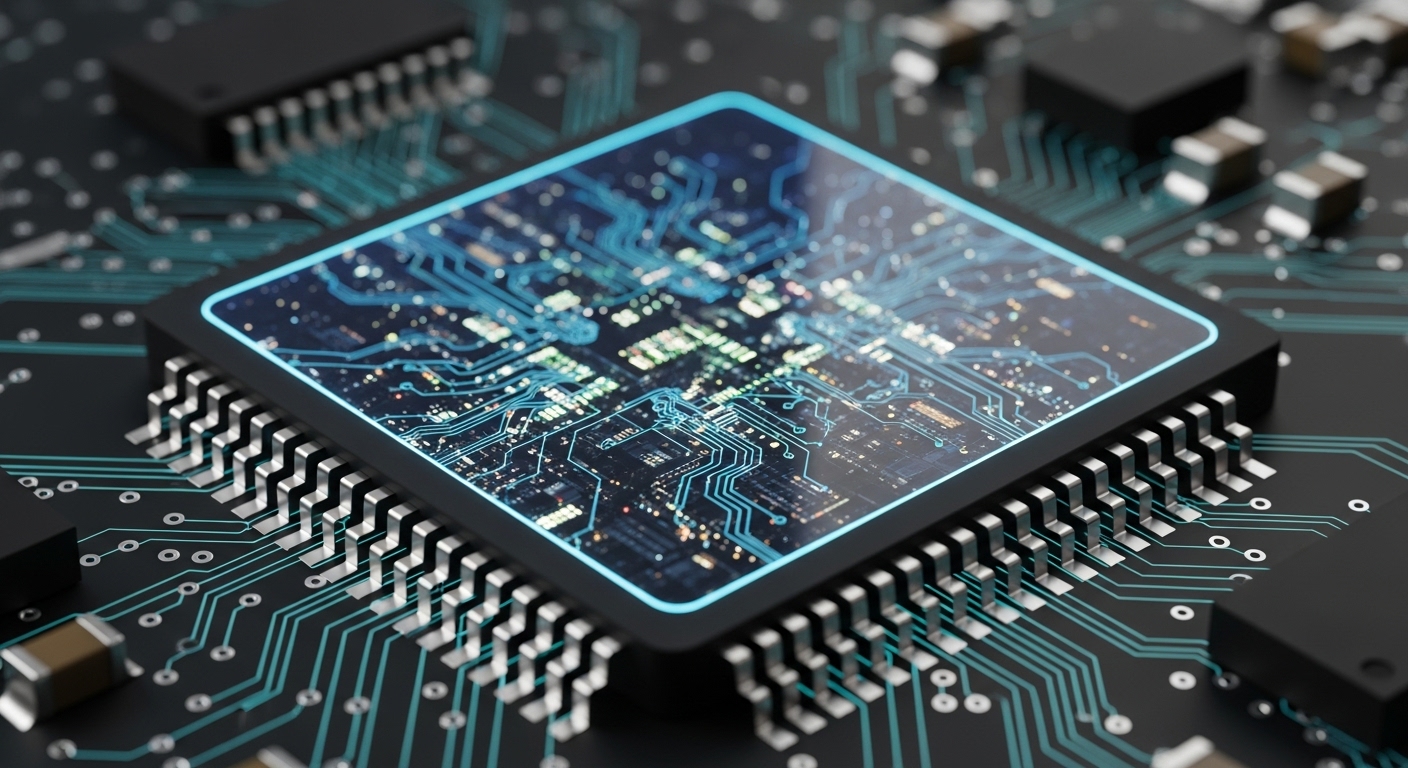






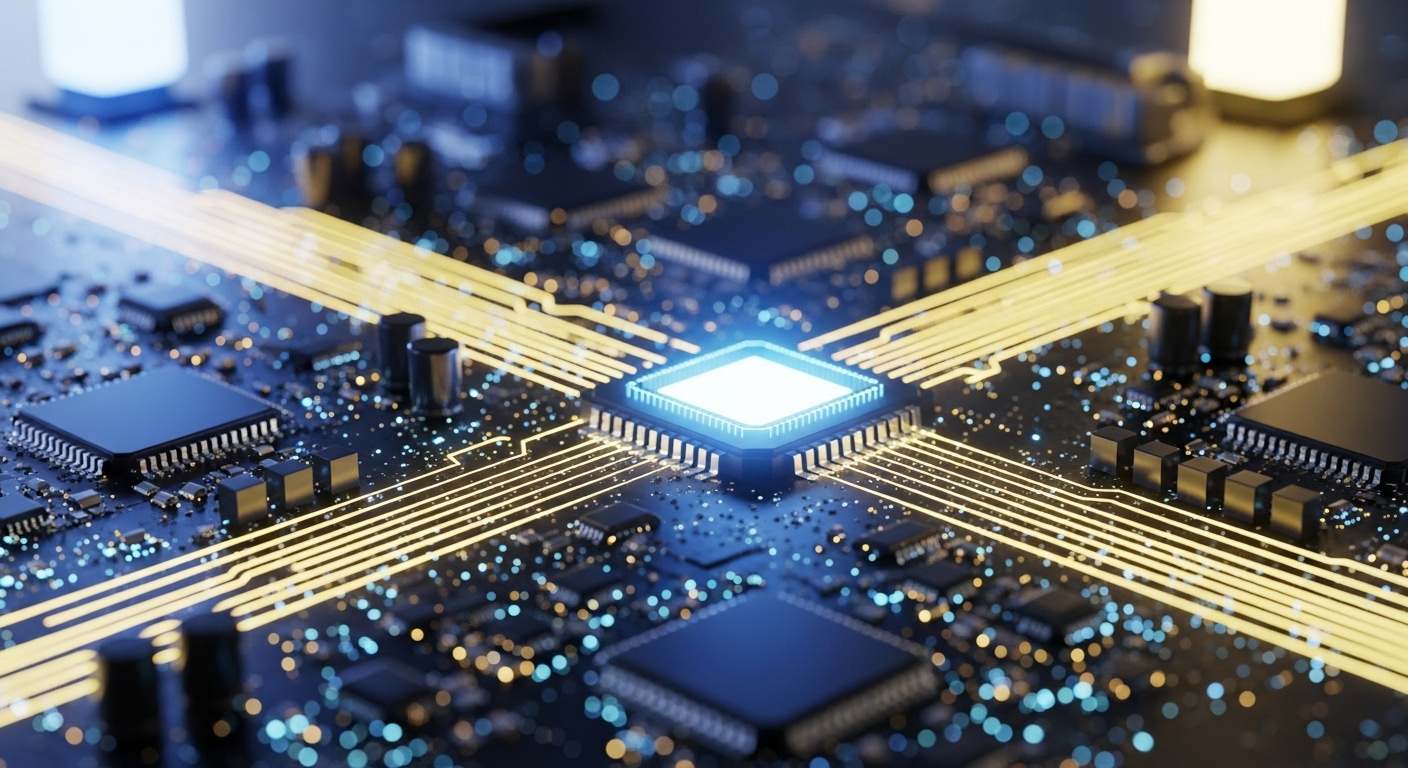
Technology has become the backbone of modern society, permeating every facet of our lives. From the smartphones in our pockets to the sophisticated algorithms guiding autonomous vehicles, technology is a driving force that transforms how we live, work, and communicate. The pace of technological evolution is breathtaking, making it imperative to understand the current trends, innovations, and future possibilities. In this blog, we explore various aspects of technology that are shaping the future, diving into artificial intelligence, cloud computing, cybersecurity, virtual reality, biotechnology, and emerging trends in consumer tech.
The Rise of Artificial Intelligence
Artificial Intelligence (AI) has transcended its role as a futuristic concept to become a tangible reality that impacts our daily lives. AI is no longer limited to voice assistants or chatbots; it now underpins critical decision-making processes across industries. AI systems are capable of learning from data, recognizing patterns, and even predicting outcomes with remarkable accuracy.
Machine Learning and Deep Learning
Machine learning, a subset of AI, focuses on training algorithms to learn from data and improve their performance over time. Deep learning, a more advanced form, uses neural networks inspired by the human brain to process complex data. These technologies have enabled significant breakthroughs, from autonomous vehicles recognizing pedestrians to medical systems diagnosing diseases from imaging scans.
AI in Everyday Life
In addition to industrial applications, AI has seamlessly integrated into our daily routines. Personalized recommendations on streaming platforms, automated customer support, fraud detection in banking, and even smart home devices are powered by AI. The technology is becoming increasingly intuitive, capable of understanding human behavior and preferences, which enhances convenience and efficiency.
Ethical Considerations
While AI offers immense potential, it also presents ethical challenges. Issues such as data privacy, algorithmic bias, and the replacement of human jobs are major concerns. Ensuring that AI is developed and deployed responsibly is critical, requiring regulations, transparency, and robust ethical frameworks.
Cloud Computing: Transforming How We Work
Cloud computing has revolutionized the way organizations and individuals access and store data. By providing on-demand computing resources over the internet, cloud technology eliminates the need for extensive physical infrastructure.
Advantages of Cloud Computing
The cloud offers scalability, flexibility, and cost efficiency. Businesses can scale operations up or down based on demand without investing in expensive hardware. Moreover, cloud services enable collaboration, allowing teams to work seamlessly from different locations using shared platforms.
Cloud Platforms and Services
Major cloud platforms provide a range of services, including Infrastructure as a Service (IaaS), Platform as a Service (PaaS), and Software as a Service (SaaS). These services empower developers to build applications, run analytics, and manage data without worrying about hardware constraints.
Security in the Cloud
Despite its advantages, cloud computing introduces unique security challenges. Ensuring data protection, managing access controls, and preventing cyberattacks are critical for organizations migrating to the cloud. Advances in encryption, identity management, and security monitoring are helping address these concerns, making cloud adoption safer and more reliable.
Cybersecurity in the Digital Era
As technology evolves, so do the threats associated with it. Cybersecurity has emerged as a critical area of focus, safeguarding information, systems, and networks from malicious attacks.
Common Cyber Threats
Cyber threats come in various forms, including malware, ransomware, phishing, and denial-of-service attacks. These attacks target individuals, businesses, and governments, often resulting in financial losses, reputational damage, and compromised data.
The Role of AI in Cybersecurity
Interestingly, AI is not just a subject of protection but also a tool for enhancing cybersecurity. AI-driven systems can detect anomalies, identify potential threats, and respond to attacks in real-time. By analyzing patterns in network traffic and user behavior, AI improves the speed and accuracy of threat detection.
The Importance of Cyber Hygiene
For individuals, practicing good cyber hygiene is essential. Using strong passwords, enabling two-factor authentication, updating software regularly, and being cautious of suspicious emails can significantly reduce the risk of cyber incidents. For businesses, implementing robust security protocols and employee training programs is equally vital.
The Immersive World of Virtual and Augmented Reality
Virtual Reality (VR) and Augmented Reality (AR) are redefining how we experience digital content. VR creates a completely immersive environment, while AR overlays digital elements onto the real world, enhancing perception and interaction.
Applications in Entertainment and Gaming
The gaming industry has been at the forefront of VR and AR adoption. Players can immerse themselves in fully interactive worlds, experiencing lifelike simulations and interactive gameplay. AR games, on the other hand, blend real-world surroundings with digital elements, creating engaging experiences that blur the lines between reality and imagination.
VR and AR in Education and Training
Beyond entertainment, VR and AR are transforming education and professional training. Medical students can practice surgeries in a risk-free virtual environment, architects can visualize structures before construction, and corporate employees can undergo realistic safety training simulations. These technologies enhance learning outcomes and provide hands-on experience without real-world risks.
Challenges and Future Prospects
Despite their potential, VR and AR face challenges such as high hardware costs, motion sickness, and limited content availability. However, advancements in lightweight headsets, improved graphics, and AI-driven content generation are paving the way for broader adoption in the coming years.
Biotechnology and Health Tech Innovations
Technology is making remarkable strides in the field of biotechnology and healthcare. Innovations in genetic engineering, personalized medicine, and wearable devices are reshaping how we approach health and wellness.
Genetic Engineering and CRISPR
Genetic engineering, particularly the CRISPR-Cas9 technology, allows precise editing of DNA. This has vast implications for treating genetic disorders, developing disease-resistant crops, and understanding biological processes at a molecular level. Ethical considerations are crucial, as the potential to modify human genetics carries profound societal implications.
Wearable Technology for Health Monitoring
Wearable devices like smartwatches and fitness trackers are no longer mere accessories; they are sophisticated health monitors. These devices track heart rate, sleep patterns, oxygen levels, and physical activity, providing users with actionable insights into their health. Integration with AI enables early detection of potential health issues, promoting preventive care.
Telemedicine and Remote Healthcare
The pandemic accelerated the adoption of telemedicine, enabling remote consultations and digital monitoring. Patients can now access healthcare services from the comfort of their homes, reducing the strain on healthcare infrastructure and improving accessibility. Integration with AI and IoT devices further enhances the quality of remote healthcare services.
Emerging Trends in Consumer Technology
Consumer technology is evolving rapidly, driven by innovation, competition, and changing user expectations. Several trends are shaping the devices and services that define modern life.
Smart Homes and IoT
The Internet of Things (IoT) has made smart homes a reality. Connected devices such as smart thermostats, security cameras, lighting systems, and appliances communicate with each other and adapt to user behavior. IoT enhances convenience, energy efficiency, and security, creating living spaces that respond intelligently to residents’ needs.
Foldable Devices and Advanced Displays
Display technology is advancing at a remarkable pace. Foldable smartphones, high-refresh-rate screens, and OLED displays are transforming the way we interact with devices. These innovations offer greater portability, immersive visuals, and improved user experiences.
Next-Generation Connectivity: 5G and Beyond
5G technology promises faster internet speeds, lower latency, and enhanced connectivity for devices. This advancement enables real-time applications such as autonomous vehicles, remote surgery, and high-definition streaming. Beyond 5G, research into 6G networks hints at even more transformative capabilities, including global device interconnectivity and advanced AI integration.
Robotics and Automation
Robotics and automation are revolutionizing industries by performing tasks that are repetitive, dangerous, or require high precision. From manufacturing to healthcare, robots are increasing efficiency, reducing errors, and improving productivity.
Industrial Automation
Factories and warehouses are increasingly adopting robotic systems for assembly, packaging, and quality control. These machines work tirelessly, handling tasks that were once labor-intensive, allowing human workers to focus on complex problem-solving and innovation.
Service and Companion Robots
Robots are not confined to factories. Service robots assist in hospitality, healthcare, and customer service. Companion robots provide emotional support, assist elderly individuals, and even offer educational interaction for children. As AI and robotics converge, these machines are becoming more intuitive, capable of understanding and responding to human emotions.
Challenges and Ethical Considerations
The rise of robotics and automation raises questions about employment, privacy, and safety. While these technologies offer immense benefits, careful planning is necessary to ensure they complement human capabilities rather than replace them entirely.
Sustainable Technology and Green Innovations
As awareness of environmental challenges grows, technology is playing a critical role in promoting sustainability. Green innovations aim to reduce carbon footprints, conserve resources, and address climate change.
Renewable Energy Technologies
Advances in solar, wind, and hydroelectric power are making renewable energy more efficient and accessible. Energy storage solutions, such as advanced batteries and smart grids, are enabling consistent and reliable energy supply, reducing dependence on fossil fuels.
Electric Vehicles
Electric vehicles (EVs) are revolutionizing transportation by offering cleaner alternatives to traditional combustion engines. Battery technology, charging infrastructure, and vehicle design are rapidly improving, making EVs a viable option for mainstream consumers.
Sustainable Computing
Technology companies are focusing on sustainable computing practices, including energy-efficient data centers, recycling programs, and eco-friendly materials. These efforts aim to minimize the environmental impact of digital infrastructure, ensuring that technological progress does not come at the cost of the planet.
The Future of Technology
The future of technology is both exciting and unpredictable. Innovations in quantum computing, space exploration, brain-computer interfaces, and nanotechnology hold the potential to reshape human existence. Quantum computing promises to solve problems that are currently intractable, while space technology may enable colonization and resource extraction beyond Earth. Brain-computer interfaces could revolutionize communication, learning, and even entertainment by connecting minds directly to digital systems.
Embracing Change
Adapting to technological change requires a mindset of continuous learning and curiosity. Both individuals and organizations must stay informed about emerging trends, adopt flexible strategies, and leverage technology to create value.
Balancing Innovation and Responsibility
As technology evolves, balancing innovation with ethical responsibility is crucial. Addressing concerns about privacy, security, bias, and societal impact ensures that technological progress benefits humanity as a whole rather than creating new challenges or inequalities.
Conclusion
Technology is no longer just a tool; it is an integral part of human progress. From artificial intelligence and cloud computing to biotechnology and sustainable innovations, the breadth and depth of technological advancement are staggering. While the future remains uncertain, one thing is clear: technology will continue to shape our world in profound ways. Staying informed, embracing change, and promoting responsible innovation are key to harnessing technology’s full potential for the betterment of society.