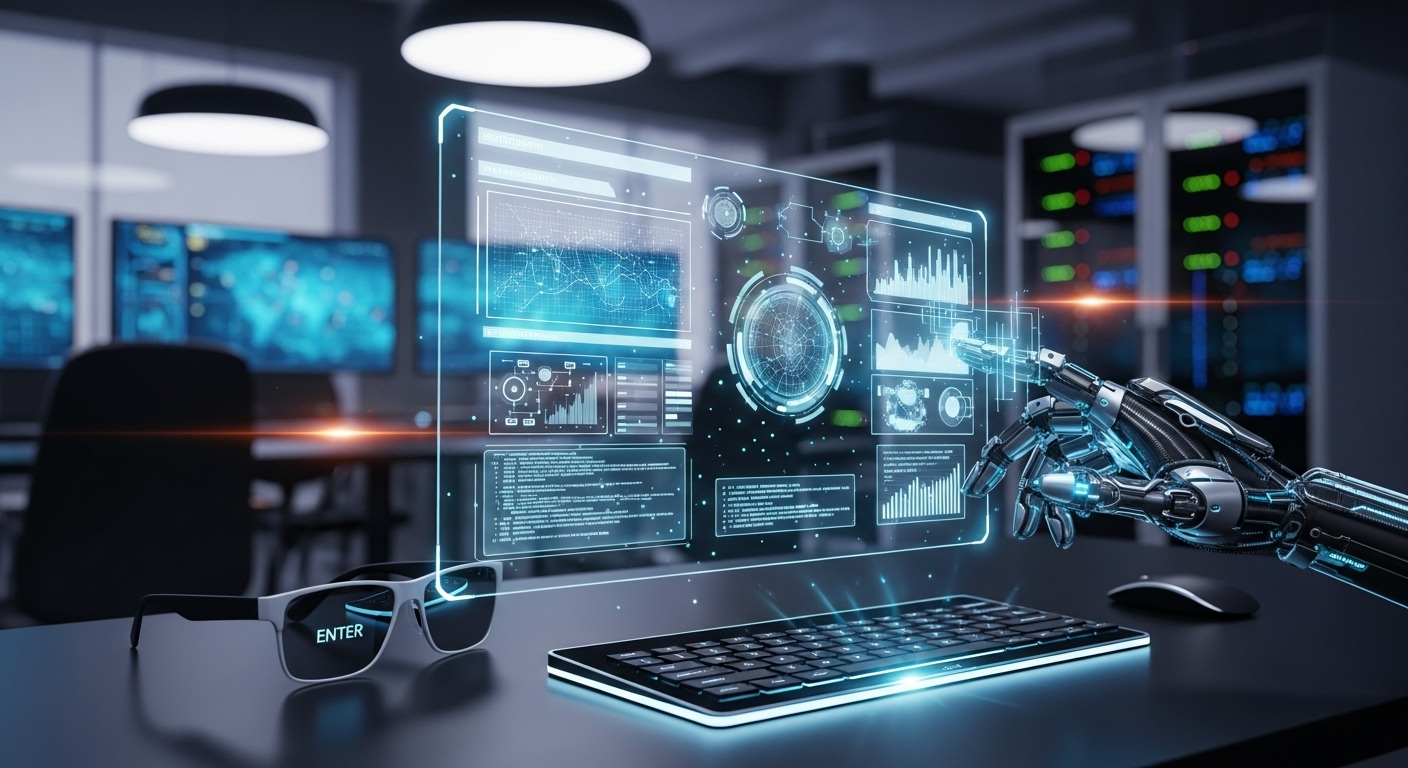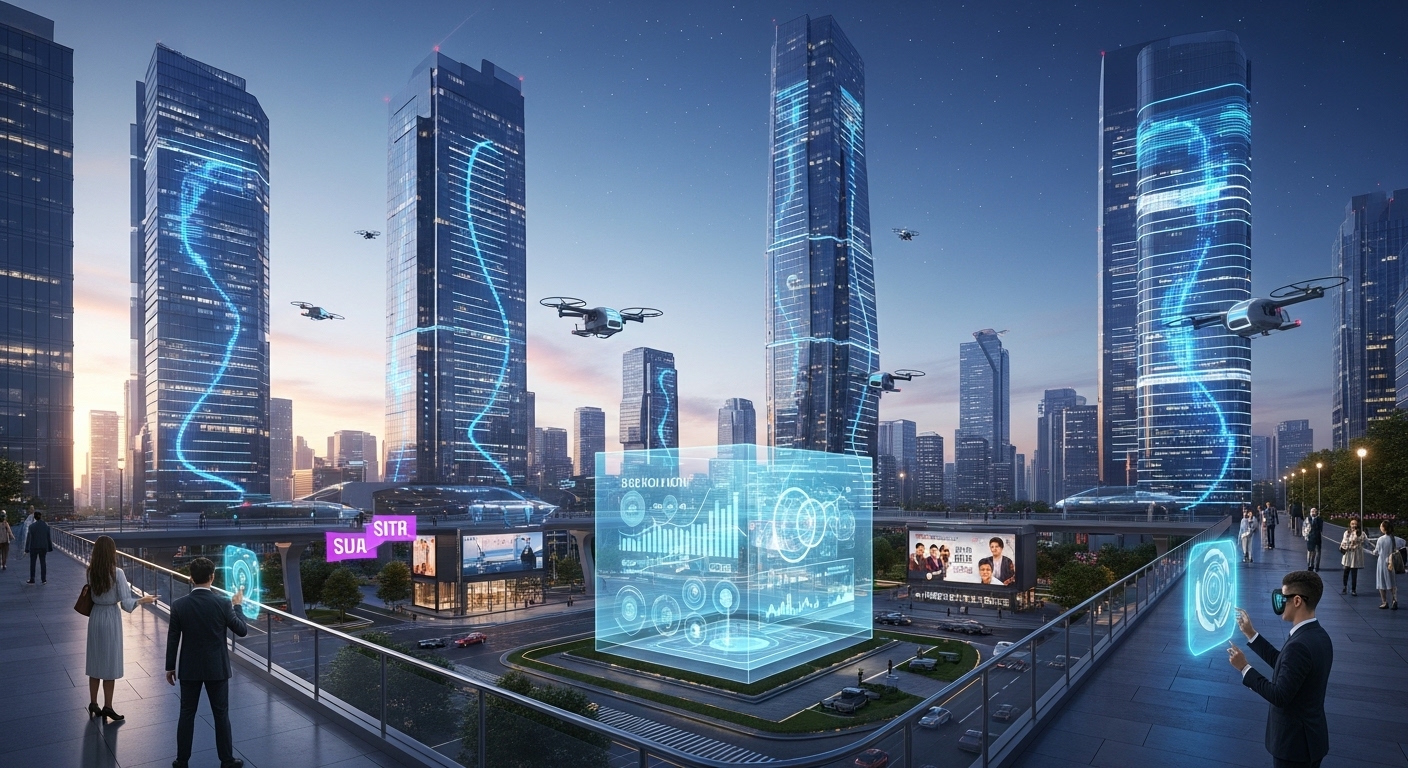






Technology has always been a driving force behind human progress. From the invention of the wheel to the rise of artificial intelligence, technological innovation continues to redefine the way we live, work, and interact with the world around us. Today, technology is not just a tool but an integral part of our daily lives, shaping industries, economies, and societies at an unprecedented pace. In this blog post, we will explore the multifaceted world of technology, examining its impact on various sectors, emerging trends, and the future possibilities that lie ahead.
The Foundation of Modern Technology
The roots of modern technology lie in centuries of human curiosity and innovation. Early technological breakthroughs, such as the printing press, steam engine, and electricity, laid the foundation for industrialization and modern society. In the digital era, the invention of the computer and the internet revolutionized communication, information access, and productivity. Today, technology has advanced beyond simple tools and devices, evolving into intelligent systems capable of learning, adapting, and assisting humans in complex tasks.
Modern technology thrives on the synergy of multiple disciplines. Electronics, computer science, biotechnology, and material science work together to create solutions that were once considered impossible. For instance, smartphones combine microprocessors, advanced sensors, and machine learning algorithms to deliver powerful experiences in the palm of our hands. Similarly, modern medical devices integrate nanotechnology, AI, and robotics to perform minimally invasive surgeries with precision and efficiency.
Artificial Intelligence: Transforming Industries
Artificial Intelligence (AI) has emerged as one of the most transformative forces in the technological landscape. By enabling machines to simulate human intelligence, AI is reshaping industries from healthcare to finance, transportation to entertainment. Machine learning, a subset of AI, allows systems to analyze massive amounts of data, identify patterns, and make predictions that were previously unimaginable.
In healthcare, AI-powered diagnostic tools assist doctors in detecting diseases at early stages, improving patient outcomes. For instance, AI algorithms can analyze medical images with a level of accuracy comparable to human specialists, reducing the chances of misdiagnosis. In finance, AI enhances fraud detection, automates trading, and personalizes banking services based on individual behavior. The transportation industry benefits from AI through autonomous vehicles, which promise to reduce accidents, improve traffic efficiency, and transform urban mobility.
Moreover, AI is revolutionizing the way businesses operate. Intelligent chatbots handle customer service, predictive analytics optimize supply chains, and natural language processing systems enable seamless communication between humans and machines. As AI continues to evolve, ethical considerations, such as transparency, fairness, and privacy, become increasingly important to ensure responsible implementation.
The Internet of Things: Connecting the World
The Internet of Things (IoT) is another technological innovation that is transforming our daily lives. IoT refers to the network of interconnected devices that communicate and share data with each other. From smart homes to industrial automation, IoT enables seamless interaction between physical objects and digital systems.
Smart home devices, such as thermostats, lights, and security systems, allow users to monitor and control their environment remotely. Industrial IoT applications optimize production processes, reduce energy consumption, and improve workplace safety. In agriculture, IoT sensors monitor soil conditions, weather patterns, and crop health, enabling farmers to make data-driven decisions that increase yield and sustainability.
The integration of IoT with AI and cloud computing has unlocked new possibilities. Smart cities utilize IoT to manage traffic, reduce pollution, and improve public services. Healthcare providers leverage wearable devices to monitor patients’ vital signs in real time, enabling proactive intervention. As the number of connected devices continues to grow, data security and privacy become critical challenges that require robust solutions.
Cloud Computing: The Backbone of Digital Transformation
Cloud computing has become a cornerstone of modern technology, providing scalable and flexible infrastructure for businesses and individuals alike. By enabling access to computing resources over the internet, cloud computing eliminates the need for expensive on-premises hardware and allows organizations to focus on innovation rather than maintenance.
The benefits of cloud computing are manifold. Businesses can deploy applications rapidly, scale resources based on demand, and access advanced services such as machine learning, analytics, and database management without significant upfront investment. Cloud platforms also facilitate remote work, collaboration, and global connectivity, which have become essential in the post-pandemic world.
Moreover, cloud computing drives the growth of emerging technologies. AI and IoT systems rely heavily on cloud infrastructure to process vast amounts of data efficiently. Cloud-based cybersecurity solutions provide real-time threat detection and response, enhancing the resilience of digital ecosystems. As cloud technology continues to evolve, concepts such as edge computing and serverless architecture promise even greater efficiency and flexibility.
Cybersecurity: Protecting the Digital Frontier
As technology advances, cybersecurity becomes an increasingly critical concern. With the proliferation of digital devices, online services, and interconnected systems, the risk of cyberattacks has grown exponentially. Cybersecurity involves protecting systems, networks, and data from unauthorized access, disruption, or theft.
Modern cybersecurity strategies encompass multiple layers of defense. Firewalls, encryption, intrusion detection systems, and secure authentication mechanisms safeguard digital assets. Organizations also invest in employee training, threat intelligence, and incident response plans to mitigate risks. The rise of sophisticated threats, such as ransomware, phishing, and state-sponsored cyberattacks, underscores the importance of proactive security measures.
Emerging technologies, such as AI-driven threat detection and blockchain-based security solutions, are enhancing cybersecurity capabilities. AI systems can identify anomalies and potential threats in real time, while blockchain provides secure, tamper-proof records of transactions and data. As the digital landscape becomes more complex, a robust cybersecurity framework is essential to protect individuals, businesses, and critical infrastructure.
Robotics: Redefining Automation
Robotics has come a long way from its early industrial applications to advanced autonomous systems capable of performing complex tasks. Modern robots combine mechanical engineering, electronics, and artificial intelligence to operate efficiently in diverse environments.
In manufacturing, robots streamline production lines, improve precision, and reduce human labor in hazardous conditions. In healthcare, surgical robots assist doctors in performing minimally invasive procedures, enhancing accuracy and reducing recovery times. Service robots, such as delivery drones and cleaning robots, are increasingly becoming part of daily life, providing convenience and efficiency.
The integration of AI with robotics has given rise to intelligent machines that can learn from their environment, adapt to changing conditions, and collaborate with humans. Autonomous vehicles, warehouse robots, and agricultural robots exemplify this trend. As robotics technology continues to advance, ethical considerations, workforce implications, and safety standards must be addressed to ensure responsible adoption.
Virtual Reality and Augmented Reality: Bridging the Physical and Digital Worlds
Virtual reality (VR) and augmented reality (AR) are reshaping how we experience digital content. VR immerses users in a fully simulated environment, while AR overlays digital information onto the real world. Both technologies have applications in entertainment, education, healthcare, and beyond.
In gaming, VR provides immersive experiences that transport players into virtual worlds, while AR enhances interactive gameplay by blending digital elements with physical surroundings. In education, VR and AR enable experiential learning, allowing students to explore historical sites, scientific simulations, and complex concepts in an engaging manner. In healthcare, surgeons use AR to visualize anatomy during procedures, improving precision and outcomes.
The potential of VR and AR extends beyond entertainment and training. Retailers use AR to offer virtual try-ons, architects create immersive building walkthroughs, and remote collaboration is enhanced through shared virtual workspaces. As hardware becomes more affordable and software more sophisticated, VR and AR are poised to become mainstream technologies that redefine human interaction with digital content.
Emerging Technologies and the Future
The pace of technological advancement shows no signs of slowing. Emerging technologies such as quantum computing, biotechnology, 5G connectivity, and renewable energy solutions promise to redefine the boundaries of possibility.
Quantum computing, with its ability to process complex calculations exponentially faster than classical computers, has the potential to revolutionize cryptography, drug discovery, and climate modeling. Biotechnology innovations, including gene editing and personalized medicine, are transforming healthcare and agriculture. 5G networks enable ultra-fast, low-latency communication, powering smart cities, autonomous vehicles, and advanced IoT applications.
Sustainable technology is also gaining prominence as the world seeks solutions to environmental challenges. Renewable energy technologies, energy-efficient systems, and green computing initiatives aim to reduce the ecological footprint of human activity. The convergence of these technologies has the potential to create a more connected, efficient, and sustainable future.
Challenges and Ethical Considerations
While technology offers immense benefits, it also presents challenges and ethical dilemmas. Issues such as data privacy, digital addiction, job displacement due to automation, and algorithmic bias require careful consideration. Policymakers, technologists, and society at large must collaborate to create frameworks that ensure responsible and equitable use of technology.
Ethical AI development, transparent data practices, and inclusive technology design are critical to building trust and preventing unintended consequences. Additionally, fostering digital literacy and providing access to technology for all segments of society are essential to bridging the digital divide and promoting social equity.
Conclusion
Technology is a powerful force that shapes every aspect of modern life. From AI and IoT to robotics, VR, and cloud computing, technological advancements are transforming industries, improving efficiency, and enhancing human experiences. At the same time, these innovations bring challenges that require thoughtful consideration, ethical governance, and proactive problem-solving.
As we move forward, the fusion of emerging technologies, human ingenuity, and responsible practices will determine the trajectory of our digital future. The possibilities are limitless, and the journey of technological evolution continues to inspire, challenge, and redefine the boundaries of what we can achieve. Technology is not merely a tool—it is the lens through which we envision the future, and its impact on society will resonate for generations to come.