





Technology has always been a driving force behind human progress. From the invention of the wheel to the digital age, every major advancement has transformed the way we live, work, and communicate. Today, we are witnessing a new era, an intelligent revolution powered by artificial intelligence, automation, the Internet of Things, and advanced computing. These innovations are not just tools—they are catalysts reshaping industries, economies, and societies. This blog explores how modern technology is transforming the world, the opportunities it offers, and the challenges it brings.
Understanding Artificial Intelligence
Artificial Intelligence, or AI, is the cornerstone of the current technological transformation. AI refers to systems that can perform tasks requiring human intelligence, including learning, reasoning, decision-making, and problem-solving. Unlike traditional software, AI can adapt, improve, and make predictions based on data, making it one of the most influential technologies of our time.
AI in Everyday Life
AI is present in many aspects of daily life, often without us realizing it. Voice assistants help manage schedules, answer questions, and provide personalized recommendations. Streaming services analyze viewing patterns to suggest content, while online shopping platforms recommend products based on previous purchases. In healthcare, AI assists doctors by analyzing medical images, predicting disease patterns, and suggesting personalized treatments. This integration improves efficiency, accuracy, and overall user experience.
AI in Industry
Industries across the world are leveraging AI to enhance productivity and innovation. In finance, AI detects fraud, assesses risk, and automates trading strategies. Manufacturing uses AI for predictive maintenance, optimizing production lines, and maintaining quality control. Agriculture benefits from AI-powered sensors that monitor crop health, automate irrigation, and forecast yields. Across sectors, AI is enabling businesses to make informed decisions, innovate faster, and improve efficiency.
Automation: Changing the Workplace
Automation goes beyond factory robots; it now spans software processes, logistics, customer service, and even creative fields. It involves using technology to perform repetitive or structured tasks with minimal human intervention, improving efficiency and reducing errors.
Automation in the Workplace
Automation is transforming workplaces by taking over routine tasks like data entry, reporting, and inventory management. In logistics, automated warehouses streamline storage and distribution, while autonomous vehicles are beginning to change delivery and transportation networks. This shift allows employees to focus on higher-value tasks such as strategy, innovation, and problem-solving.
Automation in Creative Industries
Automation is also making its mark on creative industries. AI-generated music, art, and writing can assist artists and writers in exploring new ideas and producing content faster. Rather than replacing human creativity, these tools act as collaborators, expanding the possibilities for innovation and experimentation.
The Internet of Things: A Connected World
The Internet of Things, or IoT, is a network of interconnected devices that collect and exchange data. IoT connects everything from household appliances to industrial machinery, creating an ecosystem that communicates and adapts in real-time.
Smart Homes and Cities
IoT has enabled smart homes where devices communicate to improve convenience, security, and energy efficiency. Thermostats adjust automatically, lights respond to occupancy, and appliances can be controlled remotely. On a larger scale, smart cities use IoT to manage traffic, monitor environmental conditions, and optimize public services. This technology improves urban living, reduces energy consumption, and enhances the quality of life for residents.
Industrial and Healthcare Applications
In industry, IoT sensors monitor equipment, track inventory, and provide real-time data to optimize operations. In healthcare, wearable devices monitor vital signs, track activity, and transmit information to healthcare providers. This allows for proactive care, early detection of issues, and remote monitoring of patients, significantly improving health outcomes and operational efficiency.
Cybersecurity: Protecting the Digital Landscape
As technology becomes deeply integrated into everyday life, cybersecurity has emerged as a critical concern. The growth of AI, IoT, and cloud computing has expanded the digital landscape, creating vulnerabilities that need to be addressed.
Evolving Threats
Cyber threats are becoming increasingly sophisticated. AI-powered malware can bypass traditional security measures, while phishing and ransomware attacks exploit human behavior. The interconnected nature of IoT devices increases risk, as a single vulnerability can compromise entire systems.
Strengthening Cyber Defenses
Organizations are investing in AI-driven security systems, encryption, and continuous monitoring to defend against cyber threats. Individuals can protect themselves by using strong passwords, enabling two-factor authentication, and practicing safe online behavior. Cybersecurity is essential for maintaining trust and protecting critical data in an interconnected world.
Ethical Considerations in Technology
While technology offers incredible opportunities, it also raises ethical questions related to AI, data privacy, and environmental sustainability.
Bias and Fairness
AI systems can inherit biases from the data used to train them, leading to unfair outcomes in areas like hiring, lending, and law enforcement. Ensuring transparency, accountability, and fairness in AI development is crucial for ethical technology deployment.
Environmental Impact
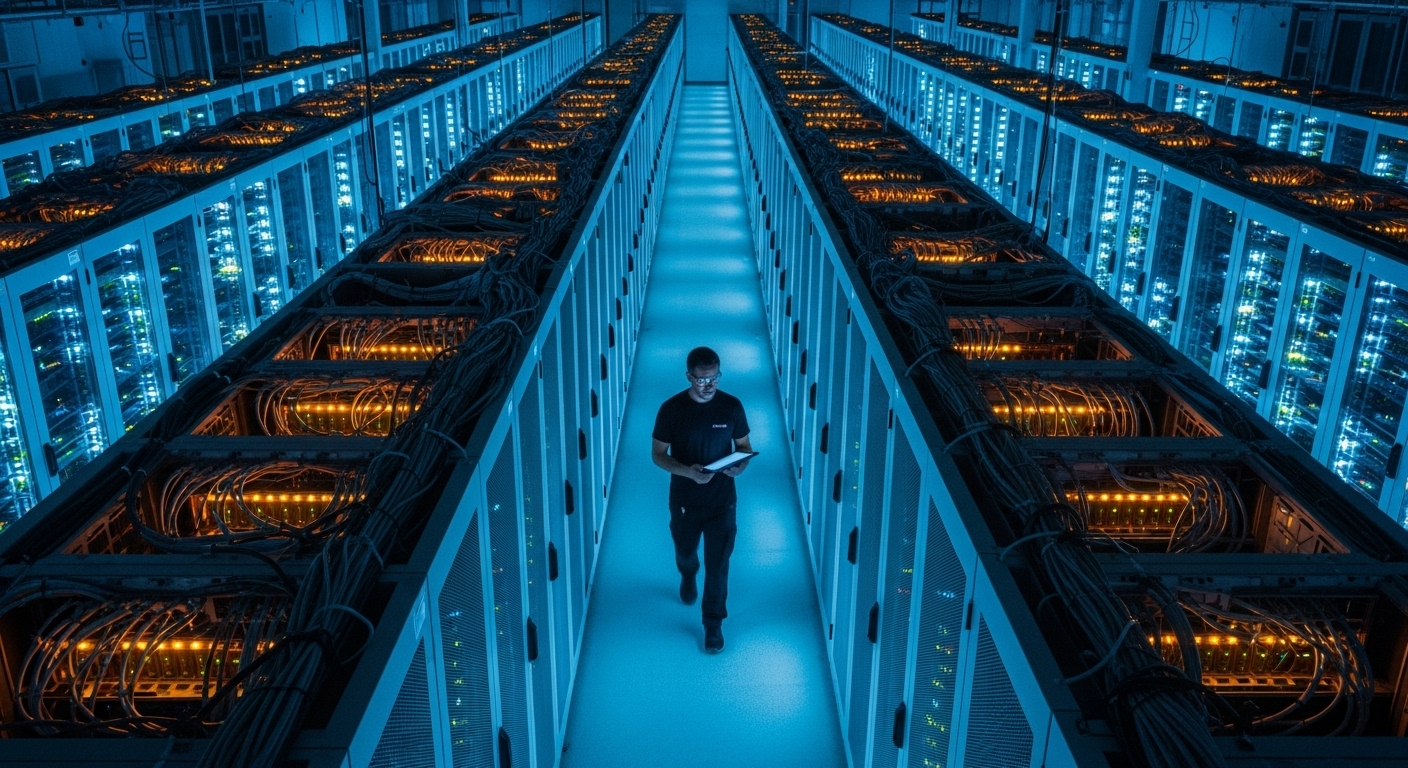
The tech industry has a significant environmental footprint due to energy consumption in data centers, high-performance computing, and cryptocurrency mining. Implementing sustainable practices such as energy-efficient hardware, green cloud computing, and responsible recycling is essential to reduce this impact.
Emerging Technologies Shaping the Future
The next wave of technology promises to be even more transformative. Quantum computing, augmented reality, virtual reality, and brain-computer interfaces are poised to redefine human interaction with machines and the world around us.
Quantum Computing
Quantum computing uses the principles of quantum mechanics to process complex problems that classical computers cannot solve efficiently. This technology has applications in medicine, materials science, logistics, and financial modeling, offering unprecedented computational power and speed.
Augmented and Virtual Reality
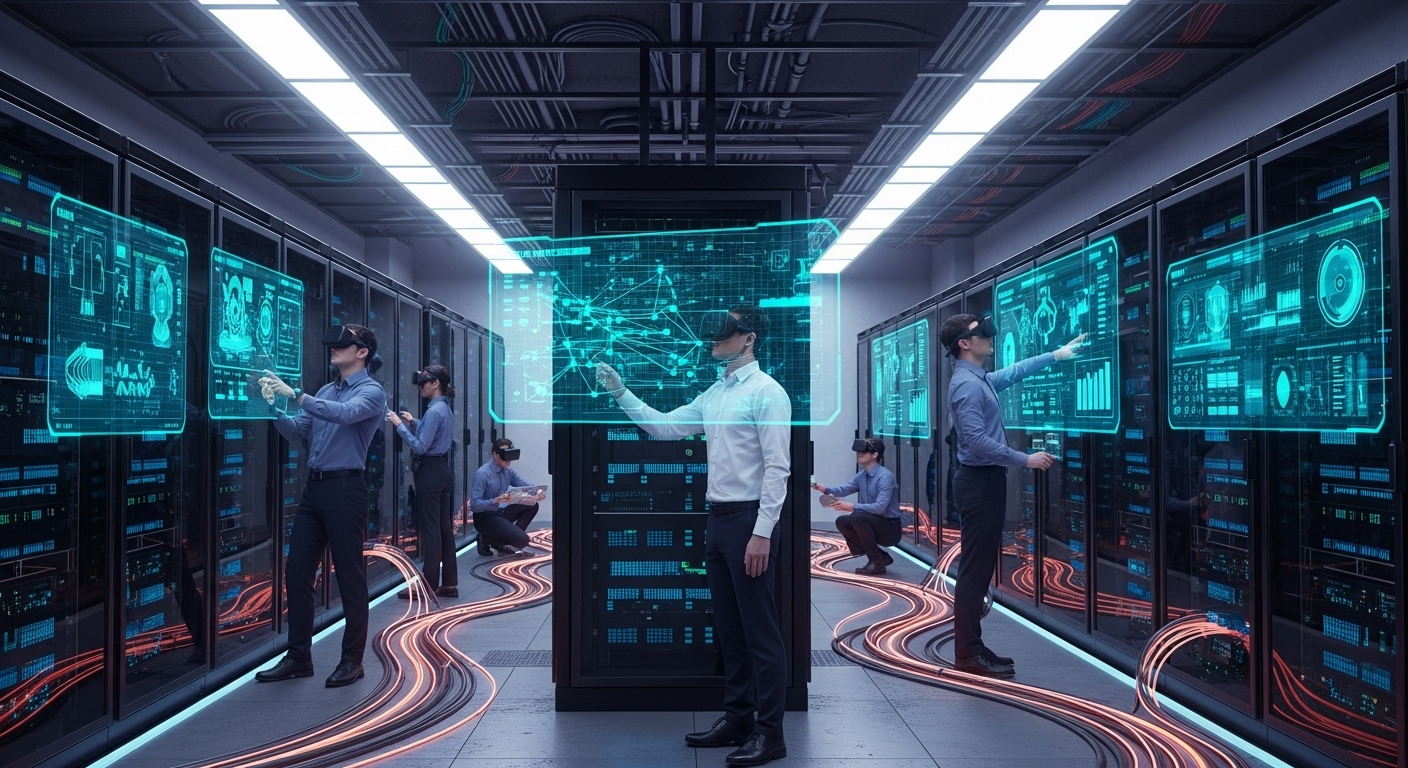
Augmented reality (AR) overlays digital information onto the physical world, enhancing navigation, education, and design processes. Virtual reality (VR) creates immersive environments for training, entertainment, and remote collaboration. Both AR and VR are transforming the way humans experience and interact with digital content.
Brain-Computer Interfaces
Brain-computer interfaces (BCIs) enable direct communication between the human brain and computers. BCIs have the potential to assist individuals with disabilities, enhance cognitive capabilities, and redefine human-machine interaction. This technology represents a significant leap in how humans interact with devices and digital systems.
Preparing for a Technological Future
Adapting to rapid technological change requires continuous learning, adaptability, and ethical responsibility. Education systems must equip individuals with digital literacy, critical thinking, and problem-solving skills. Organizations must innovate while implementing policies that protect privacy, security, and public welfare.
Responsible technology adoption ensures that its benefits are maximized while mitigating risks. By balancing innovation with ethics, sustainability, and security, society can create a future where technology enhances human potential rather than replacing it.
Conclusion: Embracing the Intelligent Revolution
The intelligent revolution is transforming industries, cities, and daily life. AI, automation, IoT, and emerging technologies are creating opportunities for innovation, efficiency, and improved quality of life. However, these advancements come with challenges, including ethical dilemmas, security threats, and environmental concerns.
By embracing technology responsibly, society can harness its potential to solve complex problems, enhance creativity, and improve global well-being. The age of intelligent innovation is here, and the choices we make today will shape the future of humanity and technology.
The future is not just about machines performing tasks—it is about humans and technology evolving together, creating a smarter, more connected world for generations to come.