





Introduction
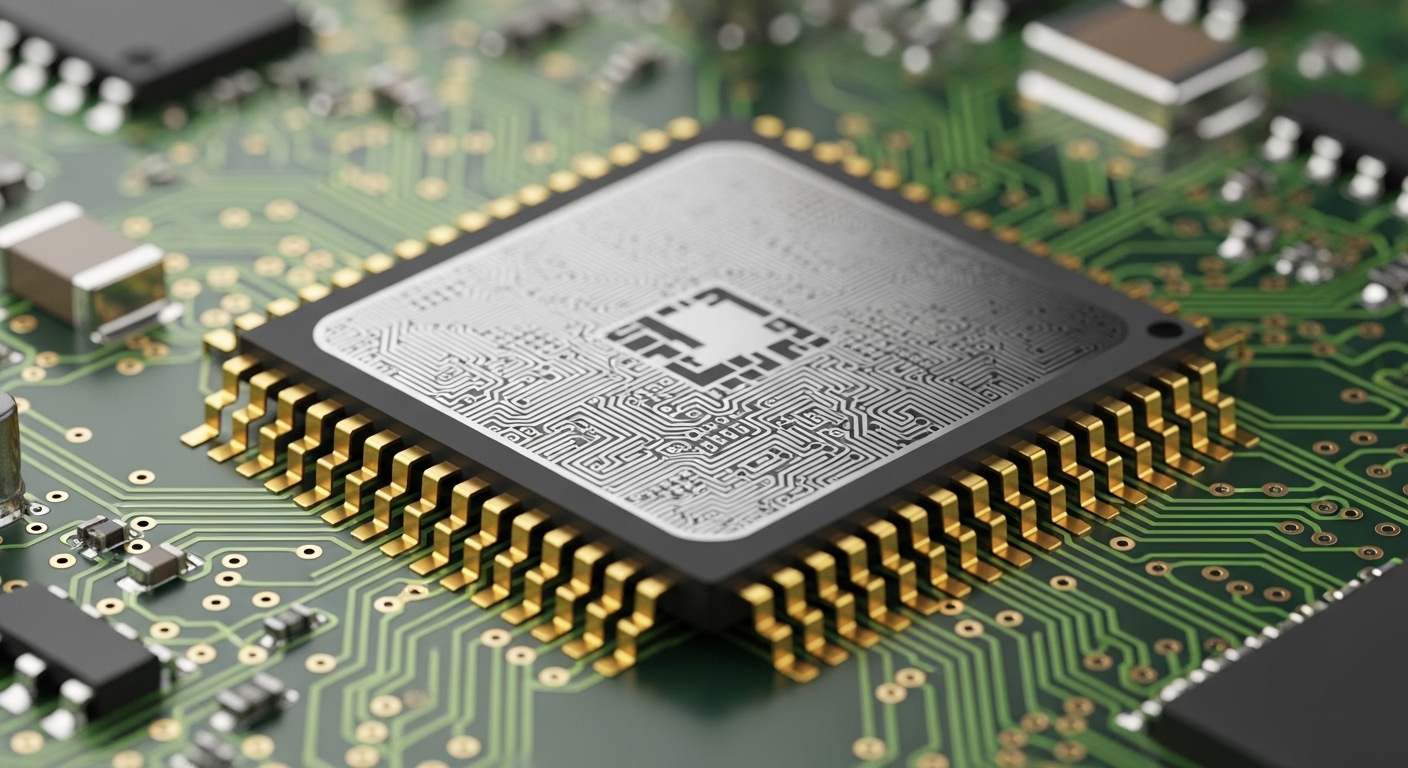
Technology has become the lifeblood of modern civilization. It influences every aspect of human existence, from how we communicate to how we think, work, and create. The world we live in today would be unrecognizable to someone from even two decades ago. Devices that once filled rooms now fit into our pockets. Artificial intelligence performs tasks once thought impossible for machines. The merging of digital and physical worlds has created an era of unparalleled convenience and complexity. As technology continues to evolve, it shapes not only our future but our identity as a species. This blog delves deep into the evolution of technology, its influence across major sectors, and what the next wave of innovation may bring to humanity.
The Digital Revolution: From Machines to Minds
The first technological revolution began with machines—engines, tools, and mechanical inventions that made human life more productive. But the digital revolution changed everything. Computers, once gigantic and limited, became personal, portable, and powerful. What began as an effort to calculate and store data evolved into a complete transformation of human life.
The real turning point came with the internet, connecting billions of people and reshaping communication, business, and education. The digital era gave rise to new economies, virtual communities, and global collaboration. Now, we live in an age where data is the new currency and connectivity is a basic human need. The focus has shifted from hardware to intelligence—from building machines to creating systems that think, adapt, and learn.
Artificial Intelligence: The New Frontier of Human Thought
Artificial intelligence is no longer a distant dream—it is the foundation of modern technology. AI is everywhere, powering search engines, recommending products, detecting fraud, and even driving cars. Its ability to analyze vast amounts of data in milliseconds allows it to uncover insights beyond human comprehension.
In healthcare, AI systems assist doctors in diagnosing diseases faster and more accurately. In business, predictive analytics help companies anticipate trends and consumer behaviors. In creative industries, AI generates art, music, and writing, pushing the boundaries of what machines can achieve.
However, the growth of AI comes with ethical questions. Can a machine truly understand emotion? Should AI make decisions that affect human lives? How do we ensure that algorithms remain fair and unbiased? The balance between progress and responsibility will define the next era of artificial intelligence, where innovation must coexist with ethics.
Automation and Robotics: Redefining Work and Industry
Automation has revolutionized industries, changing how goods are produced and services are delivered. Robots now perform tasks once considered too dangerous, repetitive, or complex for humans. In factories, robotic arms assemble vehicles with precision. In logistics, automated drones deliver packages to doorsteps. In agriculture, robotic harvesters increase efficiency while reducing waste.
Yet, this progress raises an important question—what happens to human workers? As machines take over repetitive tasks, people must adapt by developing skills suited for a technology-driven world. The future workforce will focus less on manual labor and more on creativity, problem-solving, and emotional intelligence—skills that machines cannot easily replicate.
Automation should not be seen as a threat but as an opportunity. It frees humans from monotonous work, enabling them to focus on innovation and strategy. The real challenge is ensuring that education and training systems evolve to prepare people for the jobs of tomorrow.
The Internet of Things: A Connected World
The Internet of Things, or IoT, represents the next stage of digital interconnection. Everyday objects—watches, refrigerators, vehicles, and even entire cities—are now embedded with sensors that collect and share data. This creates an ecosystem where devices communicate and make intelligent decisions without human intervention.
Smart homes allow residents to control lighting, temperature, and security with a single command. Smart cities use data to improve traffic flow, manage waste, and optimize energy usage. This interconnected web of technology enhances efficiency and convenience while laying the foundation for a more sustainable and organized future.
However, as devices become more interconnected, data privacy and cybersecurity become crucial. Every connected device is a potential entry point for hackers, making digital safety as important as physical security. The IoT revolution, therefore, requires innovation not only in connectivity but also in protection.
Digital Transformation in Everyday Life
Technology has deeply woven itself into our daily existence. It is not just a tool but an extension of who we are. Communication has evolved from letters and phone calls to instant messaging and video conferencing. Education has moved from traditional classrooms to virtual learning environments where students can access global knowledge from anywhere.
In healthcare, wearable devices track heart rates, sleep patterns, and activity levels, empowering individuals to take charge of their health. In finance, digital wallets and online banking have made transactions faster, safer, and more transparent. Even entertainment has transformed—virtual concerts, streaming platforms, and interactive gaming have redefined how we relax and connect with others.
The convenience of digital life, however, brings the challenge of balance. Constant connectivity can lead to information overload and social isolation. Finding harmony between the digital and real worlds will be essential for maintaining both technological progress and human well-being.
The Power of Data: Shaping Decisions and the Future
Data is the lifeblood of the digital age. Every online action—every click, search, and message—creates data that reveals insights about behavior, preferences, and trends. Businesses harness this information to improve services, governments use it to make informed policies, and scientists rely on it to drive discovery.
The rise of big data analytics has transformed decision-making across all sectors. Predictive models forecast everything from market demand to disease outbreaks. Personalized algorithms tailor online experiences, ensuring that technology adapts to individual needs.
Yet, with this immense power comes great responsibility. Data privacy remains one of the biggest concerns of the modern age. Protecting personal information while using it for progress is a delicate balance that society must master. Transparent regulations, ethical practices, and public awareness are key to ensuring that data remains a tool for empowerment rather than exploitation.
Sustainability Through Technology: Building a Greener Future
One of the most promising aspects of modern technology is its role in sustainability. As the planet faces environmental challenges, innovation offers solutions to reduce pollution, conserve resources, and promote renewable energy.
Green technology is leading this transformation. Solar power, wind energy, and electric vehicles are reducing dependence on fossil fuels. Smart grids efficiently manage electricity distribution, while sustainable manufacturing minimizes waste. Artificial intelligence also contributes to environmental protection by monitoring ecosystems and predicting natural disasters before they strike.
The integration of sustainability into technological innovation demonstrates a vital truth: progress should never come at the expense of the planet. The future of humanity depends on technologies that enhance both quality of life and environmental responsibility.
Virtual and Augmented Reality: Expanding the Boundaries of Experience
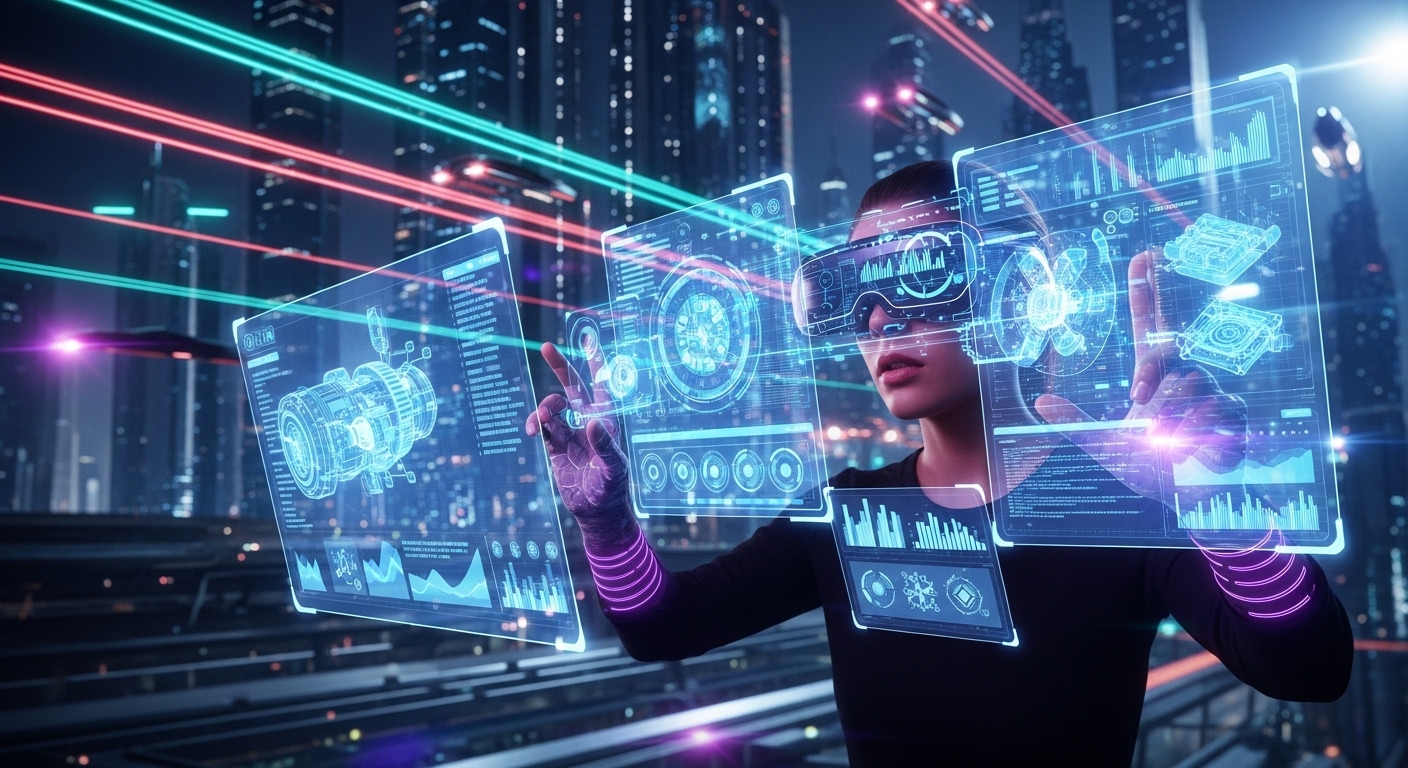
Virtual reality (VR) and augmented reality (AR) are changing how humans interact with information and the world around them. VR immerses users in simulated environments, while AR overlays digital elements onto real-world settings. Together, they are revolutionizing industries far beyond gaming.
In education, VR allows students to explore historical sites or microscopic organisms as if they were there in person. In medicine, surgeons use AR to visualize internal structures during procedures, increasing precision. In architecture, VR offers clients a realistic preview of buildings before construction begins.
As these technologies mature, they promise to transform entertainment, education, and professional training, making experiences more immersive and impactful than ever before.
The Next Wave: Quantum Computing and Beyond
While classical computers rely on binary code, quantum computing introduces an entirely new way of processing information. Using the principles of quantum mechanics, these machines can perform calculations exponentially faster than today’s most powerful computers.
Quantum computing holds the potential to revolutionize industries such as cybersecurity, pharmaceuticals, and materials science. It could unlock new cures, optimize global supply chains, and solve problems previously considered impossible. Although still in its early stages, quantum technology represents the next great leap in computational power and human capability.
Ethics, Privacy, and the Human Touch in Technology
As technology evolves, ethical challenges grow more complex. Digital addiction, misinformation, deepfakes, and surveillance threaten to distort truth and erode privacy. The more connected we become, the more vulnerable we are to manipulation and data exploitation.
To ensure a positive future, ethical technology must become a priority. Developers, businesses, and governments must design systems that respect human rights, promote transparency, and protect personal data. At the same time, individuals must cultivate digital awareness—understanding the implications of their online behavior and information sharing.
Technology should amplify human potential, not control it. The goal of progress must always be empowerment, compassion, and the preservation of human dignity.
Conclusion
The story of technology is the story of humanity itself—an endless pursuit of improvement, understanding, and connection. From the wheel to artificial intelligence, every innovation reflects the human desire to transcend limitations. As we stand at the dawn of a new digital era, the possibilities are boundless.
The future of technology will not be defined solely by machines or algorithms but by the values we embed within them. Innovation without empathy can lead to isolation, while responsible progress can unite humanity in ways never before imagined. The challenge ahead is not simply to create smarter technologies but to build a smarter, fairer, and more sustainable world.