





Introduction
Technology is the backbone of modern civilization. It influences how we communicate, travel, work, and think. The progress humanity has made in just the last century surpasses what was achieved in thousands of years before it. From the first industrial machines to the rise of artificial intelligence, technology continues to evolve at a pace that reshapes our daily existence. Today, technology is not only a tool for convenience but also a force driving societal transformation, economic growth, and creative expression. This blog explores how technology is redefining life in every aspect—from communication and education to healthcare, entertainment, and the environment—and what this means for the future of human progress.
The Roots of Technological Evolution
Technology’s origins lie in the very essence of human curiosity. Early humans invented tools to hunt and build shelters, creating the first sparks of innovation. With the invention of fire, the wheel, and basic machinery, mankind began manipulating the world to meet its needs. The Industrial Revolution accelerated this transformation, introducing factories, steam engines, and electricity. These innovations changed how people worked and lived, laying the foundation for the modern technological world.
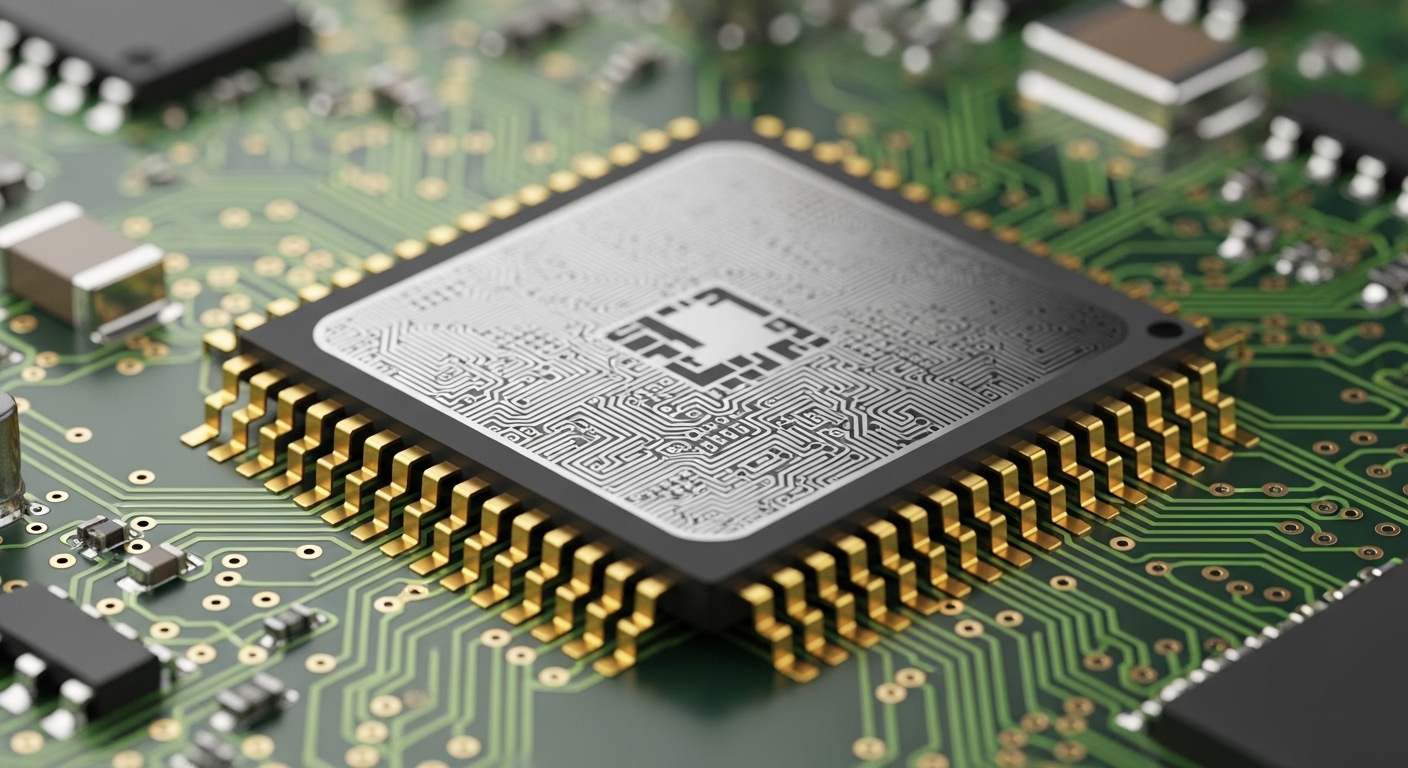
The 20th century marked the birth of the digital age. Computers, the internet, and mobile phones revolutionized communication and information sharing. With the invention of the microchip, computing became faster, smaller, and more powerful. The 21st century ushered in an era of artificial intelligence, biotechnology, and quantum computing, turning imagination into reality. Each generation of technology not only solves problems but also creates new opportunities and challenges, driving humanity toward uncharted frontiers.
Technology and Communication: The Global Connection
Communication has undergone the most dramatic transformation because of technology. In the past, letters took weeks to reach their destination. Now, messages travel across the globe in milliseconds. The invention of the telephone bridged long distances, but the internet revolutionized human connection altogether. Social media platforms, instant messaging, and video calls allow people to interact in real time, regardless of location.
Technology has made the world more connected than ever before, promoting collaboration, knowledge exchange, and cultural diversity. Businesses operate globally, education transcends borders, and relationships flourish across continents. However, this digital connectivity also brings challenges. The rise of misinformation, privacy concerns, and digital addiction are pressing issues in the communication era. As technology continues to evolve, society must learn to use it responsibly to ensure that it unites rather than divides humanity.
The Technological Transformation of Education
Education is one of the greatest beneficiaries of technological advancement. Traditional classrooms have expanded into digital ecosystems where learning is no longer confined by walls or timetables. Online learning platforms, video lectures, and educational apps empower students to learn at their own pace. The accessibility of digital knowledge means anyone with an internet connection can gain expertise in any field.
Artificial intelligence is revolutionizing learning experiences by offering personalized lessons tailored to each student’s strengths and weaknesses. Virtual reality classrooms make learning immersive, allowing students to explore history, science, and art in three-dimensional environments. Technology also encourages collaboration, enabling global discussions, digital projects, and shared learning spaces.
However, the digital divide remains a concern. Many communities around the world still lack access to technological tools and reliable internet, creating inequality in education. Ensuring that technology reaches every student is crucial for creating a truly global learning society.
Business in the Digital Era
Technology has completely transformed the way businesses operate. Digital transformation has become a necessity rather than a choice. Companies now rely on automation, data analytics, and artificial intelligence to make smarter decisions and optimize productivity. E-commerce has reshaped the retail industry, giving rise to a global marketplace accessible from a smartphone.
Cloud computing enables remote collaboration, while digital marketing allows businesses to reach audiences with unprecedented precision. Data-driven insights help companies understand consumer behavior and predict future trends. Financial technologies such as mobile payments and cryptocurrencies are redefining how people conduct transactions.
Yet, this technological progress also brings new challenges. Cybersecurity threats, job automation, and ethical dilemmas in data usage must be addressed. Businesses must adapt not only technologically but also ethically to thrive in the new digital world.
Technology in Healthcare: Saving Lives through Innovation
Healthcare is witnessing a digital revolution that is enhancing the quality of human life. From wearable fitness trackers that monitor health metrics to robotic surgeries that ensure precision, technology is making healthcare more efficient, accessible, and personalized.
Telemedicine allows patients to consult doctors remotely, reducing the need for physical visits. Artificial intelligence is used to detect diseases earlier, analyze medical images, and predict health outcomes. Biotechnology and genomics are enabling personalized treatments based on individual DNA profiles, while 3D printing technology is producing customized implants and prosthetics.
Digital health records improve coordination among medical professionals, ensuring better care for patients. However, with this progress comes the challenge of protecting sensitive medical data and ensuring equal access to advanced healthcare technologies across all regions.
Artificial Intelligence: The New Frontier
Artificial intelligence (AI) stands as one of the most revolutionary developments of modern times. Machines can now perform tasks that once required human intelligence—such as recognizing speech, analyzing data, and even making creative decisions. AI is used in every industry, from manufacturing and education to entertainment and finance.
Self-driving cars, virtual assistants, and predictive algorithms are no longer science fiction—they are everyday realities. AI systems analyze massive datasets to identify trends, optimize processes, and even predict natural disasters. In creative industries, AI composes music, writes stories, and generates visual art, challenging our understanding of creativity itself.
However, the growth of AI raises ethical questions. As automation replaces human labor, society must find ways to reskill workers and redefine job roles. It is also essential to ensure that AI systems remain transparent and unbiased, preventing harm caused by faulty data or unethical programming. The goal of AI should not be to replace humans, but to augment human intelligence and creativity.
The Role of Technology in Entertainment
Entertainment has become more immersive and personalized thanks to technological innovation. From streaming platforms and gaming to virtual concerts and interactive movies, the entertainment industry is evolving rapidly. Audiences are no longer passive consumers—they are active participants.
Virtual reality and augmented reality offer new dimensions of storytelling. Music production has become more accessible, allowing independent artists to create and distribute work globally. Artificial intelligence is even used to recommend movies, music, and games tailored to individual preferences.
However, technology’s influence on entertainment also comes with responsibility. The constant availability of digital content can lead to overconsumption and decreased attention spans. Balancing technological convenience with mindful entertainment consumption is essential for maintaining cultural depth and creativity.
The Environmental Impact of Technology
While technology drives progress, it also affects the environment. Industrialization, energy consumption, and electronic waste are major contributors to ecological imbalance. However, innovation is now turning toward sustainability. Green technology is being developed to reduce pollution, conserve resources, and promote renewable energy.
Solar panels, wind turbines, and electric vehicles are leading the charge toward a cleaner future. Smart cities use sensors and data analytics to manage resources efficiently, reducing waste and carbon emissions. Technology also plays a critical role in environmental research, allowing scientists to monitor ecosystems, track wildlife, and predict climate changes.
If directed wisely, technology can become a powerful ally in protecting the planet rather than harming it. The key lies in developing sustainable systems that balance innovation with responsibility.
Cybersecurity: Protecting the Digital World
As the world becomes increasingly digital, the importance of cybersecurity cannot be overstated. Every piece of personal information—from bank details to private messages—is stored online, making data protection a global priority. Cyber threats such as hacking, phishing, and ransomware attacks continue to grow more sophisticated.
Individuals and organizations must take proactive steps to safeguard digital assets. Strong passwords, encryption, and regular software updates are basic security measures. For companies, investing in cybersecurity systems and employee training is essential to prevent data breaches. Governments are also enforcing digital safety regulations to protect citizens in the virtual world.
The future of cybersecurity depends not only on advanced technology but also on user awareness and responsibility. Building a culture of digital safety ensures that innovation continues to flourish securely.
Technology and the Future of Humanity
The relationship between humans and technology is becoming more intertwined. Emerging innovations like quantum computing, nanotechnology, and bioengineering are redefining the limits of science. Quantum computers will soon process data at unimaginable speeds, solving problems that are currently impossible. Nanotechnology is creating materials with extraordinary strength and functionality, while bioengineering explores the boundaries of human health and longevity.
In the future, smart homes, self-healing materials, and human-AI collaboration will become the norm. However, with great innovation comes great responsibility. Technology must be guided by ethics, inclusivity, and sustainability to ensure it benefits all of humanity.
Conclusion
Technology is the fabric that connects every aspect of the modern world. It shapes economies, transforms industries, and influences human thought. From communication and education to healthcare and entertainment, its impact is vast and far-reaching. But technology is not just about machines or software—it is about people. It reflects our creativity, ambition, and desire to improve life.
As humanity steps into an era defined by artificial intelligence, automation, and digital connectivity, the true challenge lies in using technology wisely. The future will not be determined by technology alone but by how we choose to wield it. When guided by responsibility, empathy, and innovation, technology can help build a world that is not only smarter but also more humane.